FeaturedSC Allows Forensic Audit of Fortis in Daiichi-Sankyo Dispute
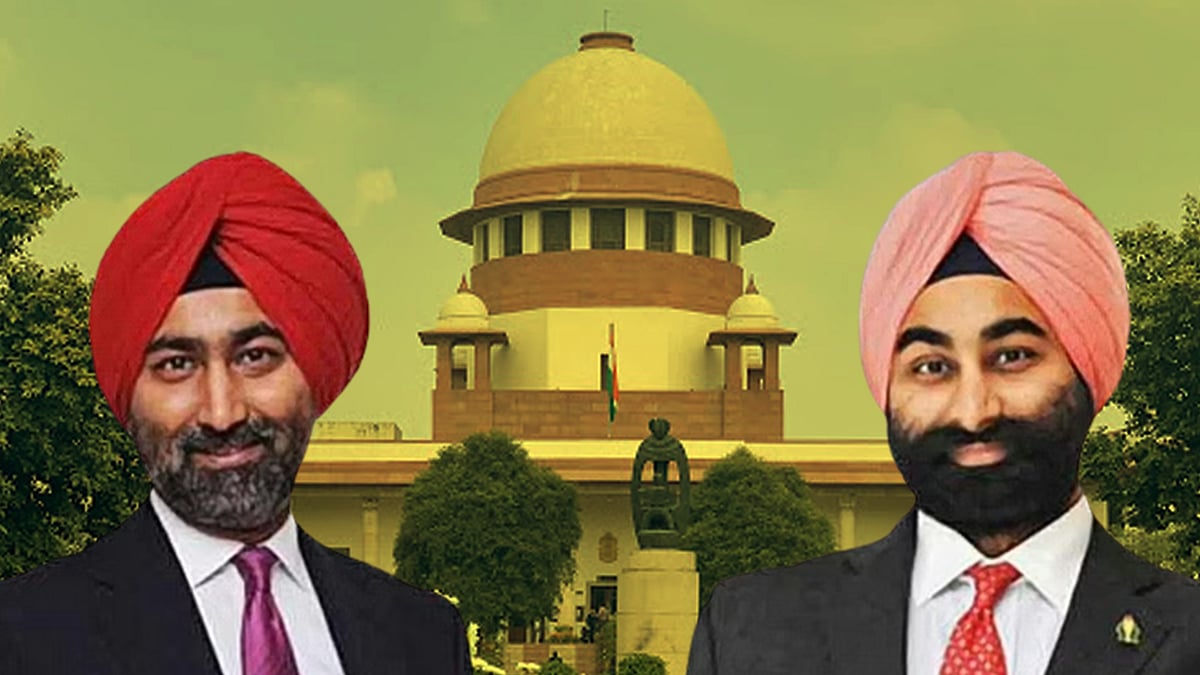
Supreme Court upholds Delhi HC's order for forensic audit of Fortis Healthcare in Daiichi-Sankyo vs Singh brothers dispute, clarifying observations are prima facie only.
Latest court orders, judgments, and legal developments from Indian courts — AI-curated and summarized.
FeaturedSupreme Court upholds Delhi HC's order for forensic audit of Fortis Healthcare in Daiichi-Sankyo vs Singh brothers dispute, clarifying observations are prima facie only.
FeaturedOrissa High Court held that writ petitions under Articles 226/227 are maintainable against orders under Section 37(1) of the Arbitration and Conciliation Act, 1996, where there is egregious illegality, perversity, or lack of jurisdiction.
FeaturedThe NCLAT has directed the NCLT to consider a third-party intervention alleging collusion between financial creditor and corporate debtor before finalising insolvency order. Decision underscores procedural fairness in IBC process.
The Bombay High Court has quashed a disciplinary order issued by the IBBI against a liquidator, finding that it relied on extraneous material not included in the investigation report. This ruling underscores the importance of adherence to procedural correctness in disciplinary actions.
FeaturedA recent ruling by the Indian Supreme Court allowing modification of arbitral awards has been met with apprehension from international arbitration experts regarding its implications for global arbitration practices.
The Supreme Court set aside the Gauhati HC orders interfering in arbitration, directing the tribunal to decide on non-signatory status independently.
The Bombay High Court held that damages awarded through arbitration and related settlements do not qualify as taxable supplies under Section 7 of the CGST Act, offering substantial precedent for future arbitration-related GST queries.
FeaturedThe Bombay High Court ruled that post-facto approval by the NCLT under Section 33(5) of the IBC validates arbitration proceedings from the approval date onward, negating the claim of nullity from inception.
The Supreme Court has held that courts possess the power to modify arbitral awards under specific circumstances, recognizing an implied authority under Section 34 of the Arbitration Act to correct manifest errors.
The Supreme Court has upheld the jurisdiction of district courts under the Arbitration Act, reversing the Orissa High Court's dismissal of a Section 34 petition. This decision emphasizes the importance of maintaining the principle of adjudication on merits.

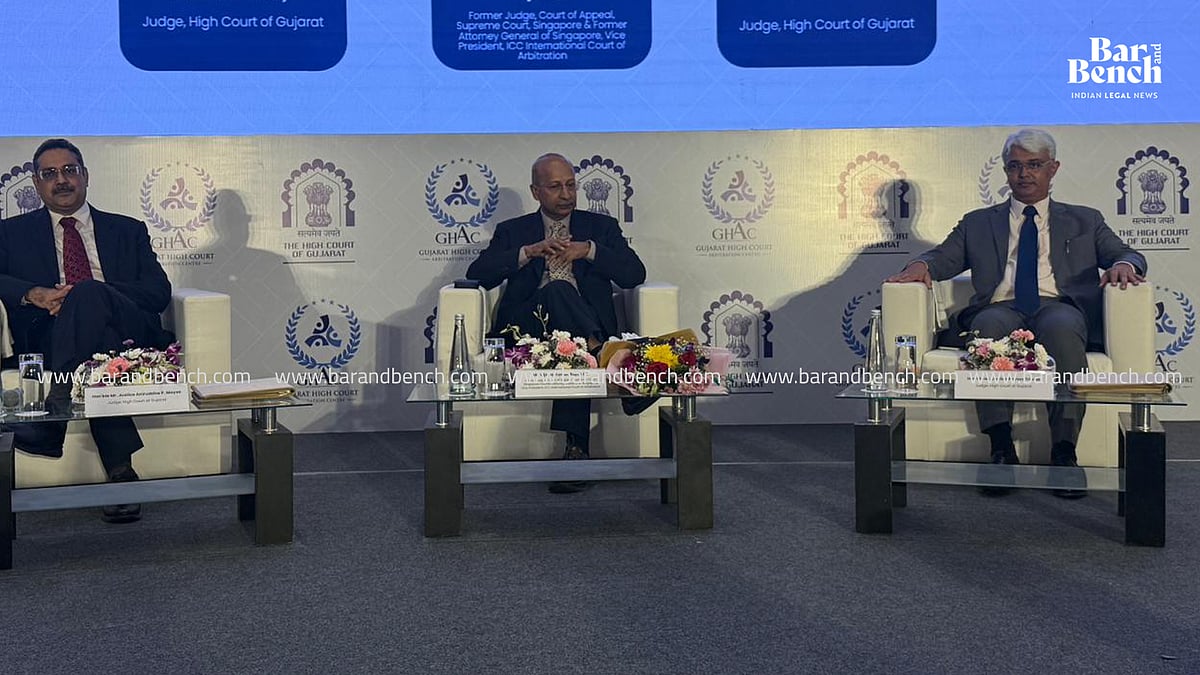
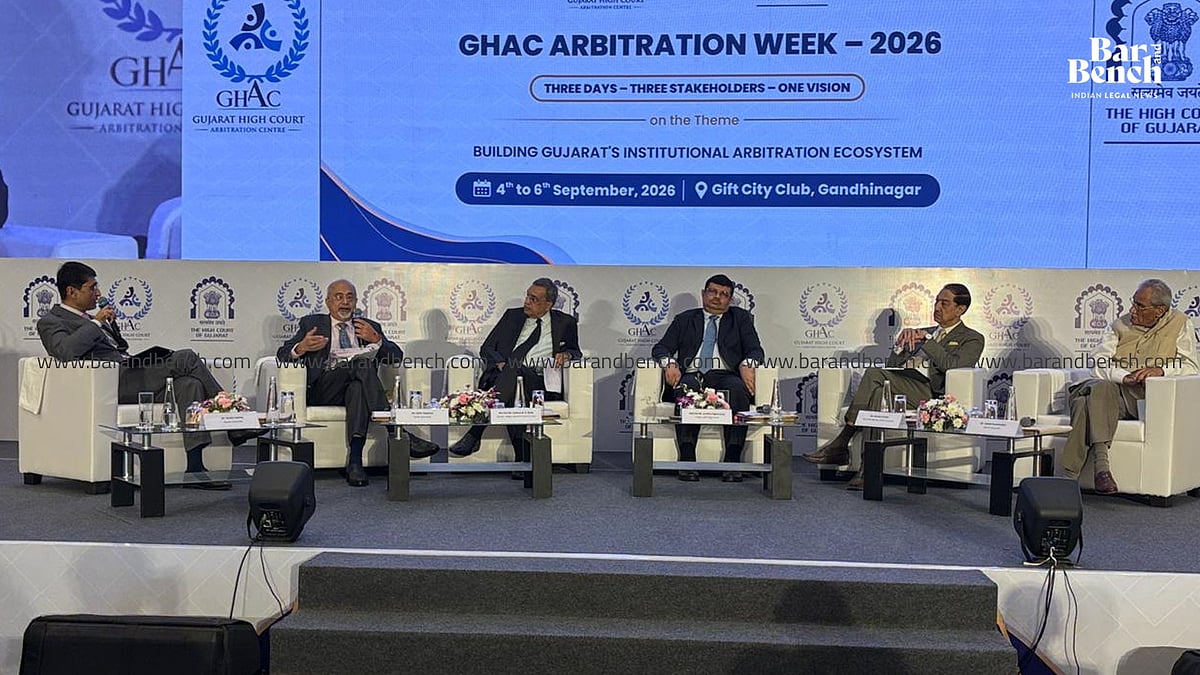
Justice Tejas Karia of the Delhi High Court has called for statutory recognition of emergency arbitration and a dedicated arbitration bench at GIFT City to enhance dispute resolution mechanisms in India. He emphasized the existing procedural bottlenecks under various sections of the Arbitration Act.
The Delhi High Court has provided clear guidelines for handling insufficiently stamped domestic arbitral awards. The court ruled that unilateral payments to address stamp duty shortfalls do not rectify defects post-signing.