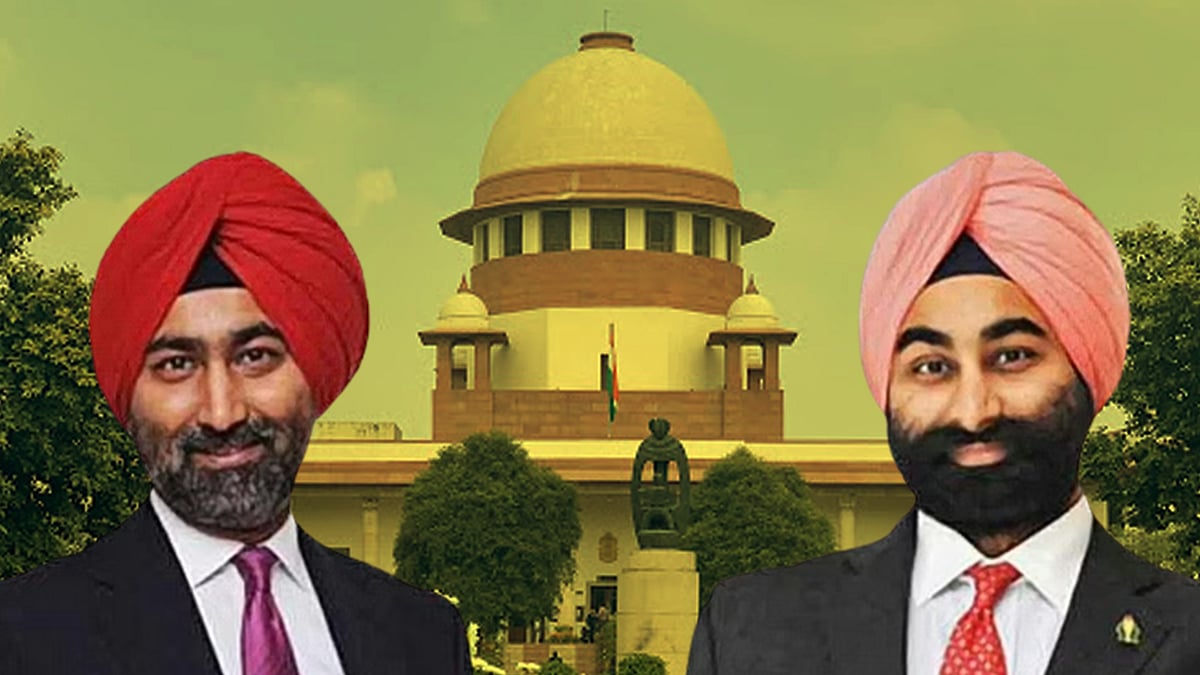
The Supreme Court ruled in Arth Micro Finance v. Shivalik Bank that a tribunal appointed without mutual consent under a unilateral clause never legally existed, reinforcing arbitration agreement fundamentals.
SC clarifies validity of arbitration tribunals under unilateral clauses
In a landmark ruling, the Supreme Court has held that an arbitral tribunal constituted under a clause allowing one party to unilaterally appoint the sole arbitrator—without demonstrable consent from the other—is legally non-existent. The decision in Arth Micro Finance Private Ltd. v. Shivalik Small Finance Bank Ltd. (2026 INSC 1014) reinforces the principle that consent is foundational to arbitration.
The Court distinguished between a procedurally flawed tribunal and one that lacks legal existence altogether. It emphasized that unilateral appointment clauses, even if agreed upon in principle, must operate within a framework of equity and opportunity for objection. When one party effectively controls the composition of the tribunal without balancing safeguards, the resulting process fails the test of impartiality required under the Arbitration and Conciliation Act, 1996.
For practitioners, the ruling underscores the need to draft arbitration clauses with reciprocity and checks on unilateral power. Clauses enabling 'sole appointments' must include provisions for challenge, disclosure, and neutrality. The decision may prompt revisiting of standard templates in commercial contracts, particularly in financial and lending agreements.
Citations
- Arth Micro Finance Private Ltd. v. Shivalik Small Finance Bank Ltd. (2026 INSC 1014)