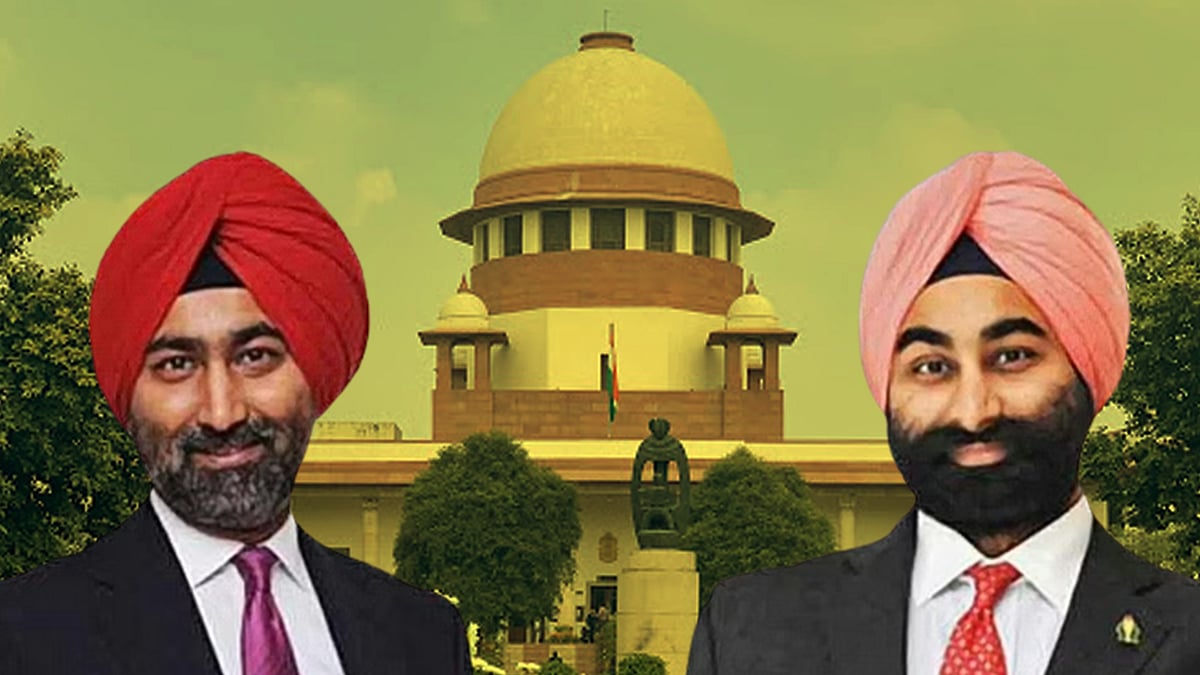
Nearly a decade after winning a foreign arbitral award against Malvinder and Shivinder Singh, Daiichi Sankyo informs the Supreme Court that execution remains uncompleted despite multiple enforcement proceedings.
The Supreme Court on Tuesday heard arguments from Japanese pharmaceutical major Daiichi Sankyo, which highlighted severe delays in enforcing a 2016 foreign arbitral award against former Ranbaxy promoters Malvinder Mohan Singh and Shivinder Mohan Singh. Senior Advocate Arvind Datar, representing Daiichi, informed the Bench of Justices Ujjal Bhuyan and AS Chandurkar that despite obtaining the award and initiating execution proceedings, the company has yet to recover dues.
Prolonged Enforcement Challenges
Daiichi secured the arbitral award on April 29, 2016, arising from disputes over share transfer agreements. Since then, execution efforts have been mired in legal challenges, asset tracing, and questions over personal jurisdiction and enforcement under the Arbitration and Conciliation Act, 1996. The case has drawn attention to systemic inefficiencies in enforcing foreign awards, especially where respondents engage in protracted litigation or asset concealment.
"The company has pursued every legal remedy but is still unable to realize the award value after nearly ten years,"
Datar submitted, underscoring the need for stronger mechanisms to fast-track enforcement of arbitral awards under Part II of the Act.
Broader Implications for Arbitration Law
The case underscores critical gaps in India’s enforcement regime for foreign awards. While the Supreme Court has consistently upheld party autonomy and the finality of awards, execution often becomes a procedural maze. This delay impacts investor confidence and reinforces concerns about the effectiveness of India’s commitment to enforcing international commercial arbitration outcomes. The Court’s response may prompt urgent reforms or directions to lower courts on expediting enforcement.
Citations
- Yes Bank Vs Daiichi Sankyo