Political Patronage Cannot Ensure Permanent Employment: SC Orders Repatriation
The Supreme Court quashed the politically influenced appointments of four Haryana officers, affirming that illegal appointments cannot be justified by long service.
AI-curated court updates, legal developments, and practice-area insights for Indian legal professionals.
The Supreme Court quashed the politically influenced appointments of four Haryana officers, affirming that illegal appointments cannot be justified by long service.
The Supreme Court ruled that a qualifying service of 15 years is not mandatory for the service element of disability pensions, thereby mandating the payment of arrears. This decision broadens eligibility for disability pensions in the armed forces.

The Bombay High Court has approved a revival plan for Svadeshi Mills worth ₹1,200 crore, asserting the plan protects workers' dues and satisfies public interest. The ruling is significant for stakeholders involved in corporate restructuring.

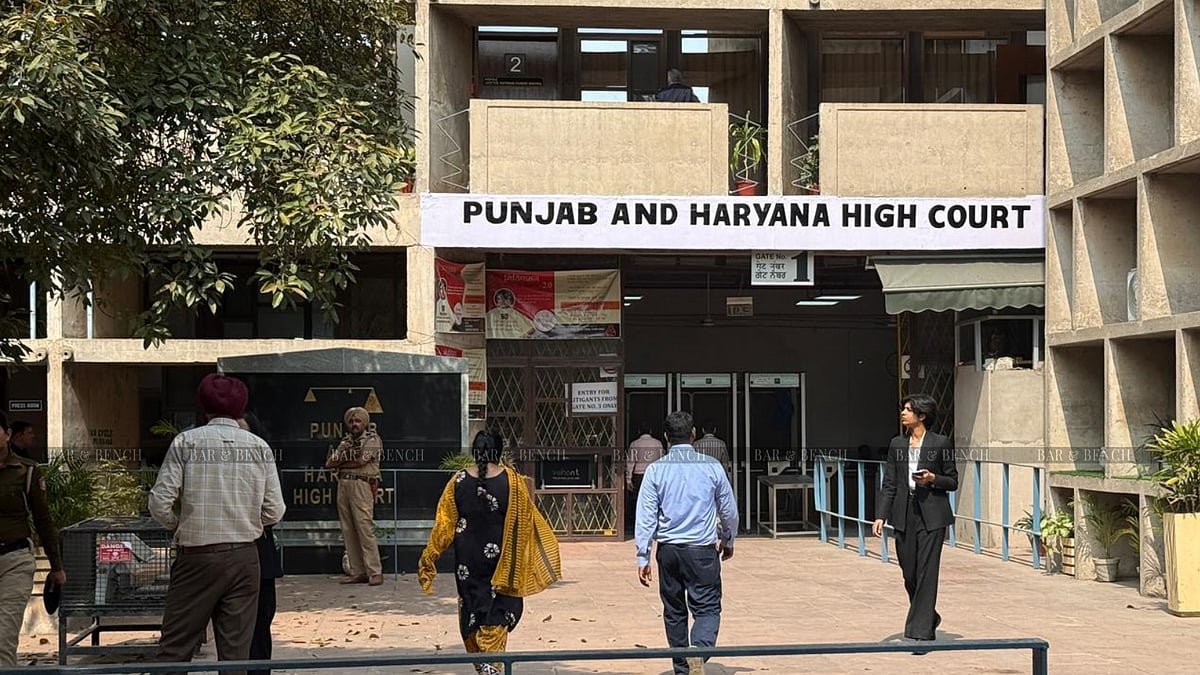
The Punjab and Haryana High Court has prohibited the Punjab government from engaging in large-scale advertising campaigns until overdue employee payments are cleared, signaling a commitment to prioritize employee rights.

The Punjab and Haryana High Court has condemned the Punjab government for prioritizing spending on freebies while neglecting to pay legitimate dues to employees, highlighting serious financial management issues. Courts urge equitable budgetary practices.
The Gujarat High Court has reopened proceedings concerning the Employee State Insurance (ESI) applicability for women rolling pappads, declaring that income tax exemptions do not bar ESI contributions.

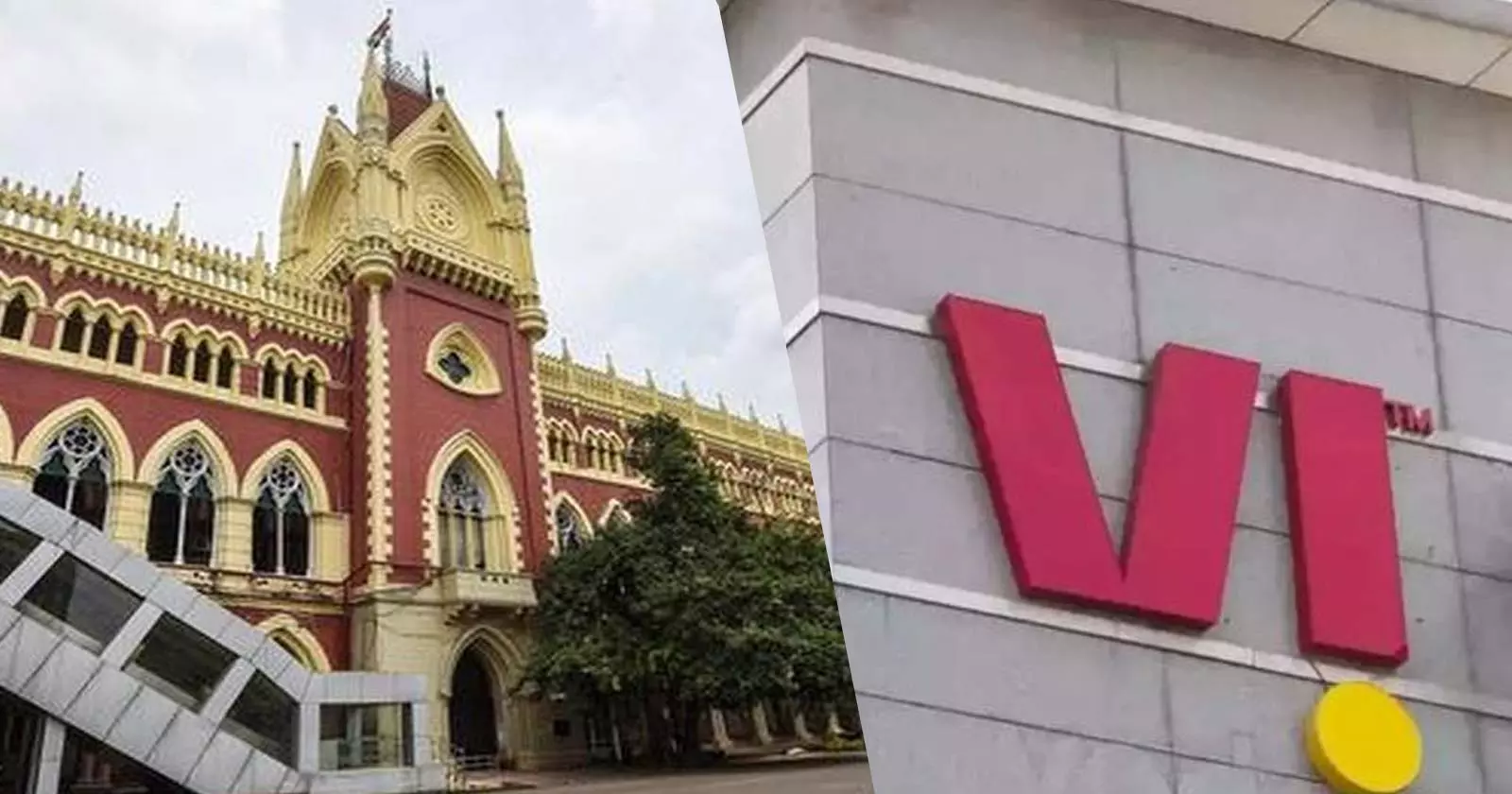
In a landmark ruling, the Calcutta High Court quashed a demand for ₹1.49 Crores made under the Employees’ Provident Fund (EPF) Act against Vodafone Idea Ltd., concluding that principal employers are not liable for wages due as a result of contractor 'wage-splitting'.
In a significant ruling, the Supreme Court held that tenure appointments do not guarantee automatic regularization of employment, emphasizing that acceptance of terms limits future claims.

The Karnataka High Court offers interim protection to aggregators under the new Gig Workers Act, while also mandating the deposit of welfare fees.
The new labor codes establish a uniform wage definition and a 50% exclusion cap, requiring Chartered Accountants to reassess CTC designs for compliance. This significant change affects salary structures and statutory liabilities.
Employers with ten or more employees must comply with POSH Act requirements, and violations can lead to significant penalties, including fines and potential business license cancellations.

The Telangana Advocates Protection Act has been enacted, providing legal protections against violence and harassment for advocates.
The Jammu & Kashmir High Court ruled that recovery from a retired employee's dues was unlawful in the absence of fraud or misrepresentation. Authorities can revise pension calculations but cannot recover excess amounts.