
Reserve Bank of Indiacorporatebanking
RBI's New TReDS Master Direction Enhances MSME Working Capital Access
The RBI's updated TReDS Master Direction simplifies onboarding processes for MSMEs and enhances financing efficiency.
Jun 28, 2026Read more →
AI-curated court updates, legal developments, and practice-area insights for Indian legal professionals.
The RBI's updated TReDS Master Direction simplifies onboarding processes for MSMEs and enhances financing efficiency.
The RBI has amended regulations to allow foreign nationals greater access to invest in listed Indian companies, expanding the investor base while maintaining necessary safeguards for sensitive investments.
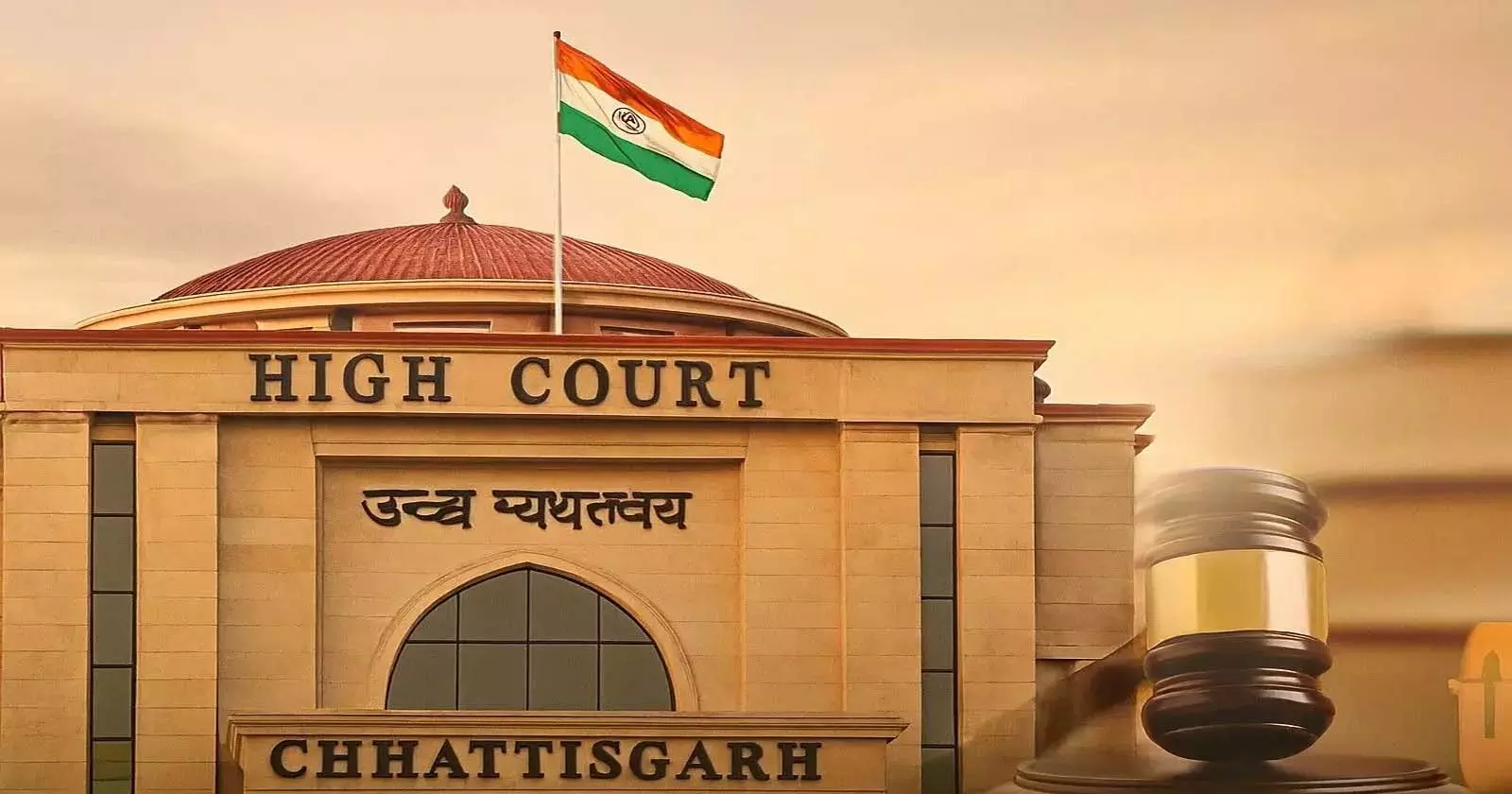
The Chhattisgarh High Court denied anticipatory bail to a former IAS officer citing the influential nature of the accused and potential evidence tampering amidst ongoing investigations into corruption charges.

The Orissa High Court modified an earlier order to prevent the state from imposing excise duty on liquor MGQ more than once. This ruling clarifies the principle against double taxation in the state’s excise framework.

The Tripura High Court acquitted the accused in a cheque dishonor case, noting that the complainant failed to establish a valid statutory notice under Section 138 of the Negotiable Instruments Act. The judgment emphasized the necessity of proving source of funds for the claims made.
The Reserve Bank of India has issued new directions for credit derivatives markets as part of its regulatory framework. This directive establishes guidelines for the utilization of derivatives on credit indices and total return swaps, facilitating better management of credit risk.

The IBC is challenged by foreign sanctions as Indian insolvency tribunals navigate complex global issues. This situation raises questions about the interplay between insolvency law and international regulatory restrictions.

The Calcutta High Court ruled that Section 107 of the BNSS Act does not provide adequate safeguards for third parties, applying a stringent 'reason to believe' test to quash a property attachment order. This highlights the need for more comprehensive legal frameworks.

The Calcutta High Court quashed an FIR in a dispute worth Rs 3.3 crore, determining that the FIR filed after unsuccessful IBC proceedings constituted an abuse of process. The court noted that the petitioner had already made payments in compliance with previous orders.

The Calcutta High Court ruled that Company Courts can transfer winding up petitions to the NCLT on their own accord under Section 434(1)(c) of the Companies Act, 2013.
The Reserve Bank of India has undertaken a review of circulars issued under the Foreign Exchange Management Act, 1999. This review aims to streamline and update regulatory measures affecting authorised persons.
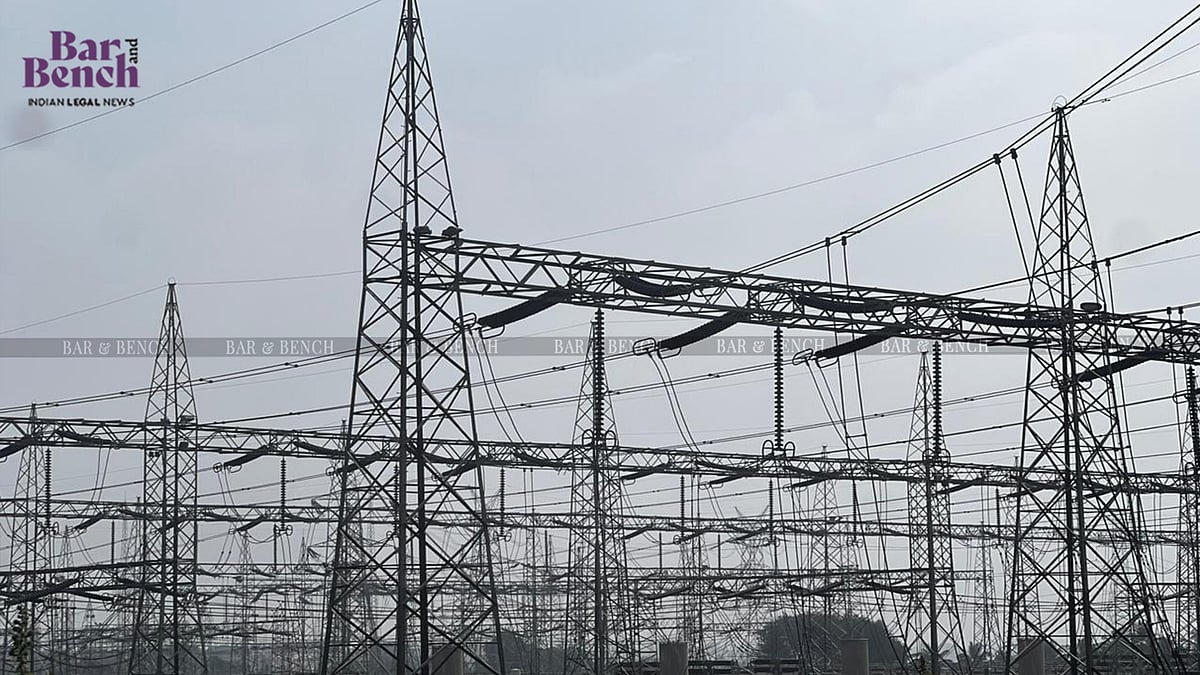
The Karnataka High Court ruled that KPTCL cannot unilaterally revise supervision charges payable by consumers for self-executed electrical works. The court quashed a demand notice of ₹1.2 crore issued to Anushka Realty, emphasizing that any charge revision requires approval from the Karnataka Electricity Regulatory Commission (KERC).
The Calcutta High Court has ruled that company courts may transfer pending winding-up petitions to the NCLT on their own accord under Section 434 of the Companies Act, 2013, without the need for a formal application from the parties.