Delhi HC Directs Expedited Decision on Fresh GST Cancellation Notice
The Delhi High Court ordered the GST authority to make a timely decision regarding a fresh GST registration cancellation notice after earlier proceedings were dropped.
AI-curated court updates, legal developments, and practice-area insights for Indian legal professionals.

The Delhi High Court ordered the GST authority to make a timely decision regarding a fresh GST registration cancellation notice after earlier proceedings were dropped.

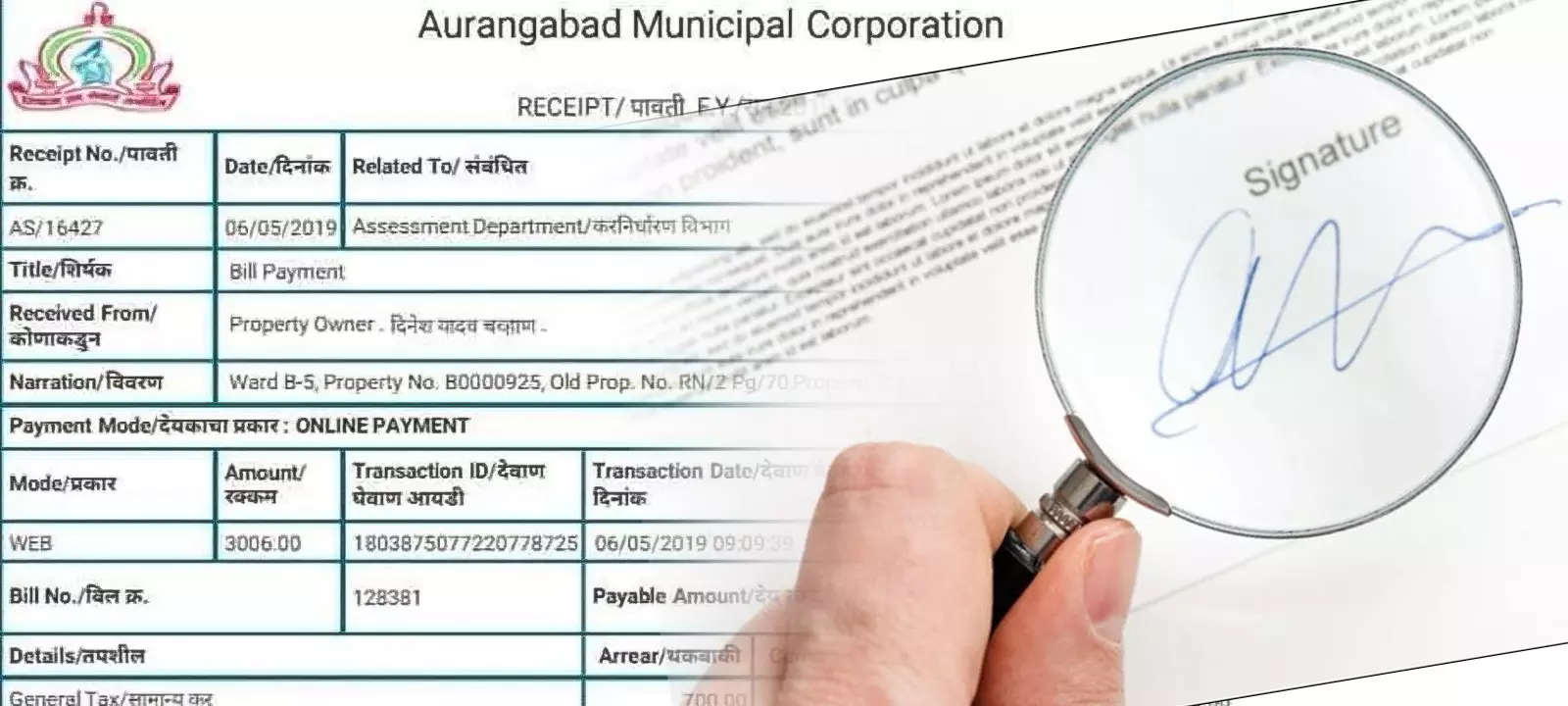
The Gujarat High Court has suspended a sentence in a municipal tax receipt forgery case, citing a lack of handwriting expert report as a critical element in the possibility of wrongful conviction.
The Delhi HC has refused to grant interim relief for activist Sonam Wangchuk's discharge from Safdarjung Hospital, ruling the hospitalization as justified.
Gitanjali Angmo has filed an appeal against the Delhi HC's refusal to transfer Sonam Wangchuk to Medanta Hospital during his hunger strike.
The grounds for denial of Authorized Economic Operator (AEO) status are expanding, raising concerns about compliance for businesses.

The Debt Recovery Appellate Tribunal (DRAT) in Chennai has dismissed an appeal concerning a ₹115 crore loan recovery, referencing a significant delay of 2,417 days.

The NCLT has determined that leased vehicles owned by a corporate debtor are part of the insolvency estate and must be returned to the Resolution Professional during CIRP.

The NCLT ruled that fraud allegations made after a demand notice do not constitute a pre-existing dispute to negate the CIRP process against Montecarlo Ltd.
The Karnataka High Court ordered the release of complete CCTV footage to a passenger following an alleged customs search and seizure, reinforcing transparency in customs procedures.
The Calcutta High Court permitted a Rs 60 lakh consultancy claim by emphasizing the performance of services despite the absence of a formal contract, invoking principles of quantum meruit.
The Delhi High Court reinstated the GST registration of a small tempo operator after the first filing default, considering the impact on their right to livelihood. This ruling favors taxpayers facing initial compliance issues.
The Karnataka High Court affirmed that the limitation period for penalties under Section 275 of the Income Tax Act commences with the issuance of the Joint Commissioner of Income Tax's notice, not from the Assessment Officer's proposal.
In a VAT return dispute, the Karnataka High Court dismissed a review petition related to lost books of account, stating that blame cannot be shifted to tax consultants. This ruling emphasizes accountability in tax reporting.