FCRA Amendment Rules 2026 Enhancing NGO Compliance
The 2026 FCRA amendment rules increase compliance obligations for NGOs, introducing activity-specific registration and stricter financial disclosures.
AI-curated court updates, legal developments, and practice-area insights for Indian legal professionals.
The 2026 FCRA amendment rules increase compliance obligations for NGOs, introducing activity-specific registration and stricter financial disclosures.
FeaturedThe Supreme Court ruled that the income of salaried individuals for accident compensation should be based on their income tax return (ITR) from the preceding year, while self-employed individuals' income should be averaged over the last three years. This provides clarity on compensation determination.
The newly enacted FCRA Amendment Rules, 2026, impose stricter compliance requirements on NGOs, enhancing transparency in foreign funding and operations. Entities must navigate these new regulations promptly.
The Supreme Court quashed criminal proceedings following a full One-Time Settlement (OTS), highlighting the absence of surviving claims and ensuring parity among co-accused.
A comprehensive overview of challenges facing patent law in India as it relates to black-box medical AI. It argues for adaptation in disclosure requirements to better accommodate modern technologies.
ZEE5's removal of the film Satluj shortly after release prompts analysis of legal standards. Questions arise regarding government censorship and the implications of Section 69A and copyright law in restricting cultural access.
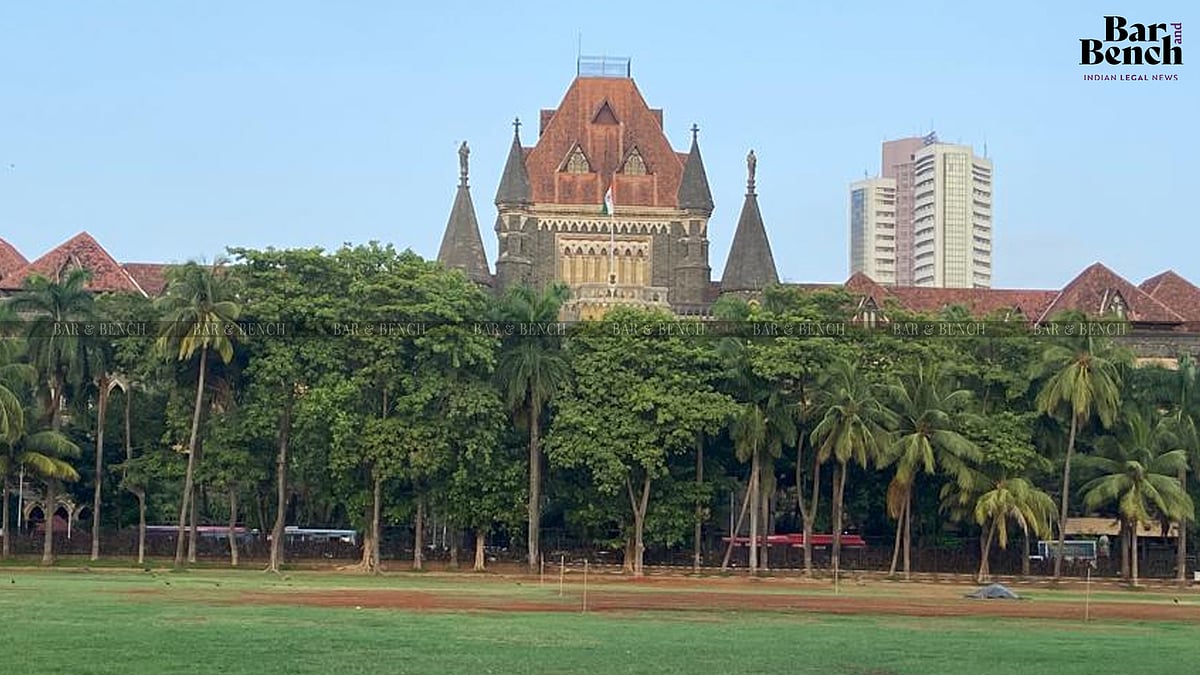
FeaturedThe Bombay High Court has affirmed the personal autonomy of a 21-year-old woman who left her home to avoid a forced marriage, ruling that neither the State nor her parents can compel her to return.
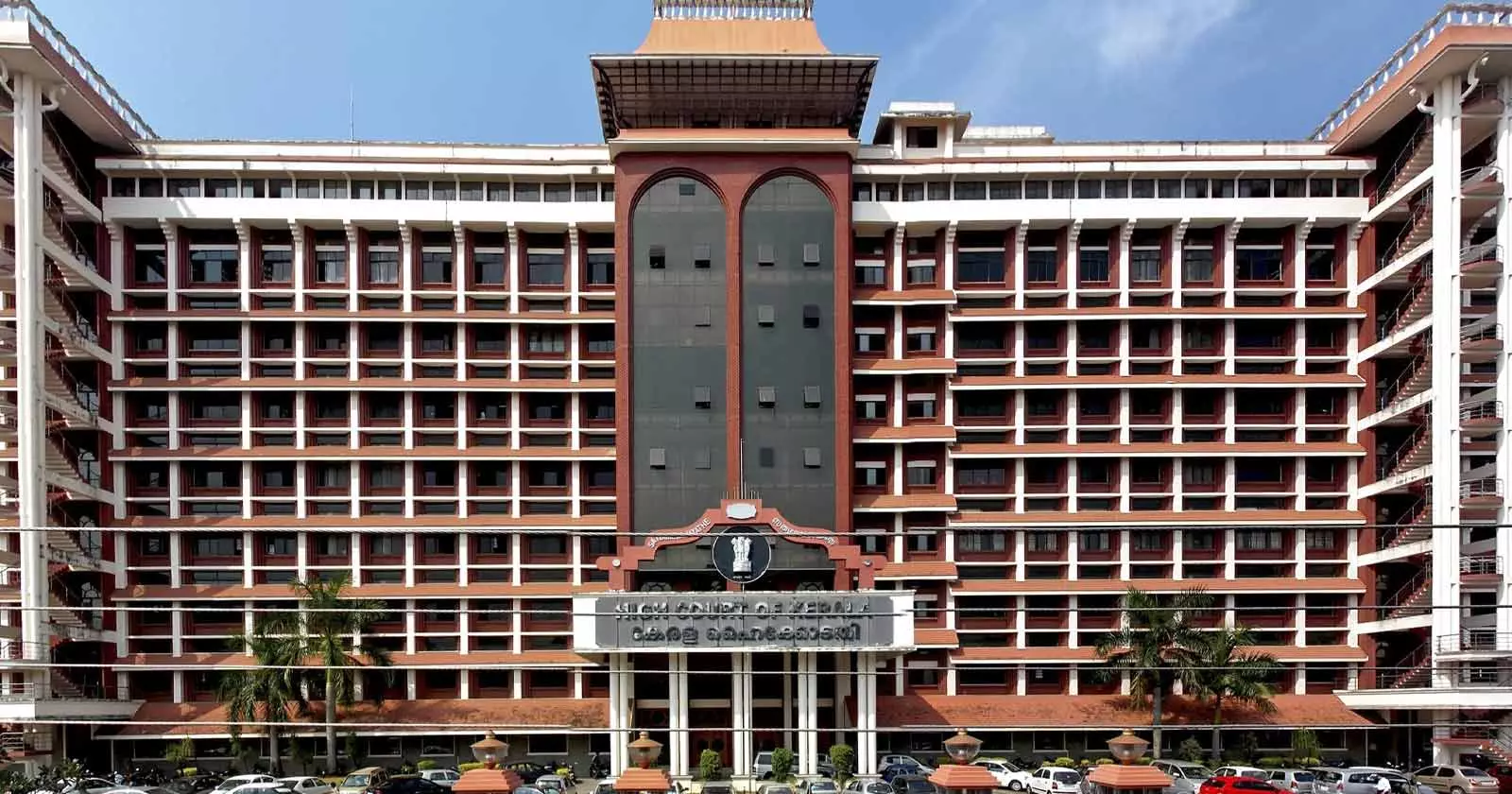
FeaturedThe Kerala High Court upheld the power of the RBI to replace a cooperative bank's board with an administrator, validating the requirement for state consultation for extensions.
The Supreme Court ruled that judicial decisions relying on AI-generated or fictitious precedents are unsustainable, mandating fresh adjudication under Section 7 of the Insolvency and Bankruptcy Code (IBC).
The Supreme Court's decision not to stay the injunction regarding Flipkart and Marc emphasizes a crucial trademark issue: the role of house marks. This case highlights a gap in the statutory framework surrounding trademark protection in India.
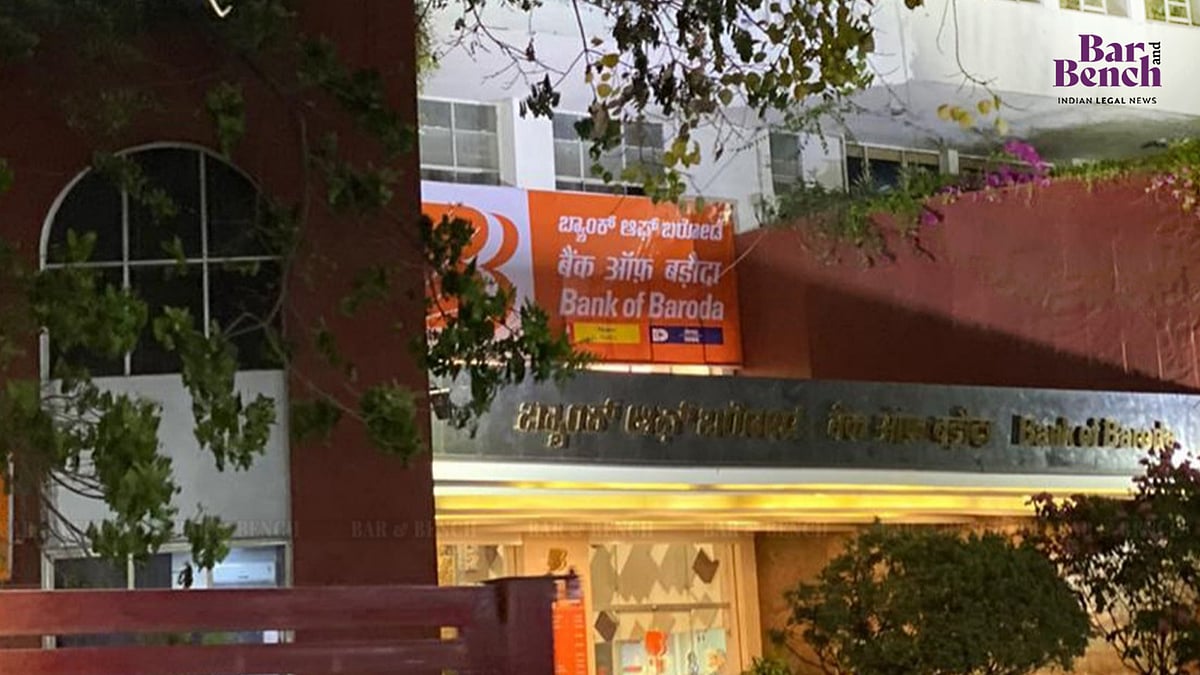
FeaturedBank of Baroda has reached a $600 million out-of-court settlement regarding its exposure in the NMC Health fraud case without admitting liability, closing insolvency proceedings in both Abu Dhabi and London.
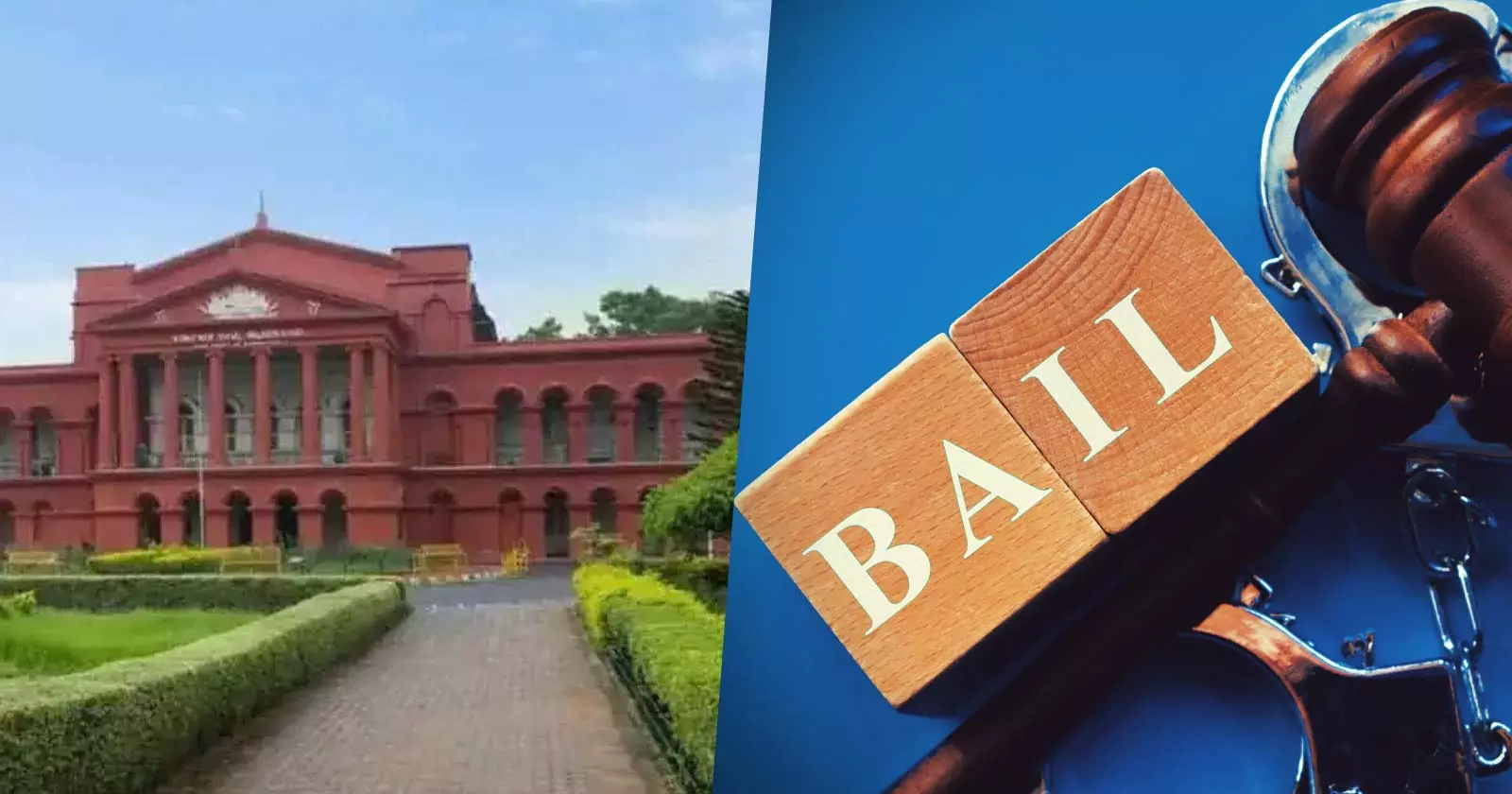
FeaturedIn a pivotal decision, the Karnataka High Court granted bail to a former MLA under the PMLA, emphasizing that Article 21 rights override the statutory conditions for bail under the Act.
SEBI's new fast-track Alternative Investment Fund (AIF) framework transfers responsibility for approvals from regulators to fund managers and merchant bankers, impacting compliance and risk management practices.