Kerala HC Quashes Composite GST Notice for Multiple Financial Years
The Kerala High Court quashed a composite GST notice covering multiple financial years, stating that separate notices must be issued for each year.
AI-curated court updates, legal developments, and practice-area insights for Indian legal professionals.
The Kerala High Court quashed a composite GST notice covering multiple financial years, stating that separate notices must be issued for each year.
The Kerala High Court ordered a fresh evaluation of the SGST claim, setting aside the writ judgment concerning CGST ITC rejection due to lack of notice.
The article analyzes the implications of NGTP-based GST Input Tax Credit (ITC) denial in Karnataka, focusing on Sections 16, 74, and 74A, and the principles of natural justice for bona fide buyers.
The RBI has released new loan recovery guidance applicable to various banking formats, focusing on operational conduct and borrower protections starting January 2027.
The RBI has released comprehensive loan recovery agent directions for Small Finance Banks (SFBs), focusing on borrower safeguards effective from January 2027.
The RBI has issued draft directions proposing restrictions on revolving credit products for Non-Banking Financial Companies (NBFCs), with comments invited from stakeholders.
The Madras High Court has dismissed a writ petition affirming the RBI Ombudsman’s conclusions regarding grievances related to GST refunds, bank charges, and NPA classification.

In a key ruling, the Delhi High Court clarifies that GNOIDA does not qualify as a government authority under TDS provisions, protecting Sikka Infrastructure from adverse tax implications.

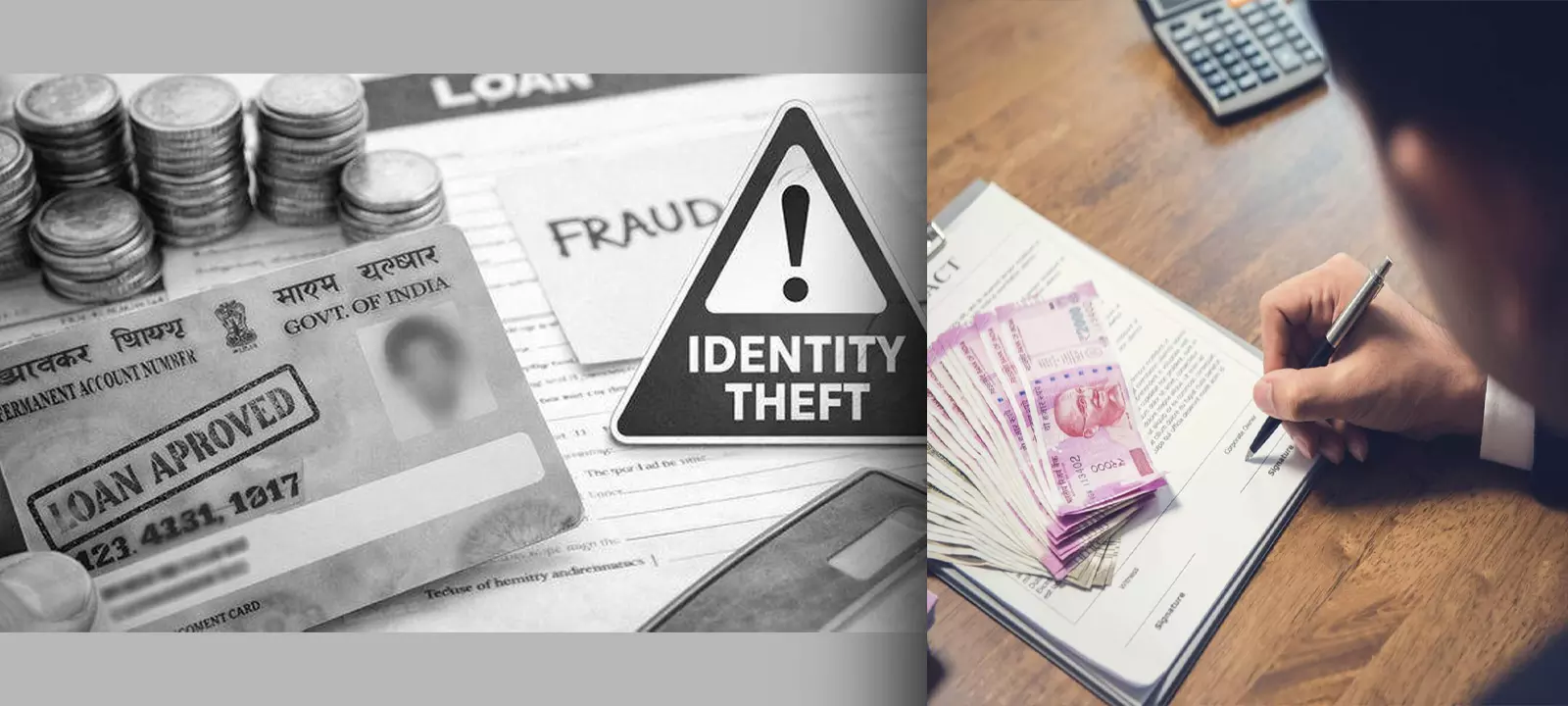
The Chhattisgarh High Court granted bail to a tax consultant accused of using client's KYC documents improperly to create shell companies and secure unauthorized loans. The court noted that the trial would likely take a significant amount of time.

The NCLT has ruled that the absence of NeSL Form D does not preclude the admission of an insolvency petition if financial debt and default are established. This emphasizes the need for substantive evidence over procedural technicalities.

The NCLT has admitted a voluntary insolvency plea under Section 10 of the IBC, citing persistent financial distress and continuing defaults. This decision underscores the tribunal's reliance on financial stability criteria for insolvency.

The ITAT ruled that sale proceeds received by Kachha Arhtia cannot be classified as turnover, asserting that only the commission constitutes the turnover for Section 44AB compliance.

The Delhi High Court ruled that the Union of India is responsible for the costs associated with a special audit mandated prior to the 2007 amendment in the Income Tax Act. This decision clarifies financial responsibilities under the audit provisions.