RBI Updates Responsible Business Conduct Directions for NBFCs
The RBI's third amendment on Responsible Business Conduct for Non-Banking Financial Companies (NBFCs) focuses on recovery agent engagement practices to promote ethical lending.
AI-curated court updates, legal developments, and practice-area insights for Indian legal professionals.
The RBI's third amendment on Responsible Business Conduct for Non-Banking Financial Companies (NBFCs) focuses on recovery agent engagement practices to promote ethical lending.
The RBI has amended its directions concerning Housing Finance Companies (HFCs) with a focus on the engagement of recovery agents. This aims to enhance transparency and fairness in recovery practices.
The RBI has released the second amendment directions on Priority Sector Lending targets and classification. This is part of a broader initiative to enhance liquidity and support particular sectors in the economy.
The Ladakh UT administration has formed five new districts and assigned lead bank responsibilities. The development aims to enhance banking services and promote financial inclusion in the region.
The Government of India has announced the re-issue of two dated securities for ₹28,000 crore, scheduled for auction. This aims to manage the country’s public debt effectively.
The RBI is scheduled to conduct an Overnight Variable Rate Reverse Repo (VRRR) auction on August 18, 2026, of ₹1,50,000 crore to manage market liquidity.
The RBI announced the results of the Overnight Variable Rate Reverse Repo (VRRR) auction conducted on August 18, 2026, with total bids accepted amounting to ₹82,788 crore at a cutoff rate of 5.24%.
The Reserve Bank of India has announced a Second Overnight Variable Rate Reverse Repo (VRRR) auction for ₹75,000 crore on August 18, 2026. The auction aims to address current liquidity conditions and will be held between 12:00 PM to 12:30 PM.
The Madras High Court's ruling in *Novartis AG v. Venkata Narayana Active Ingredients* scrutinizes the evidentiary requirements necessary for the Bolar exemption in the pharmaceutical context, marking a significant development.
The Delhi High Court has highlighted ongoing challenges in India's intermediary liability framework concerning copyright enforcement. Changes necessitate an understanding of platforms’ duties amid recent legal reforms.

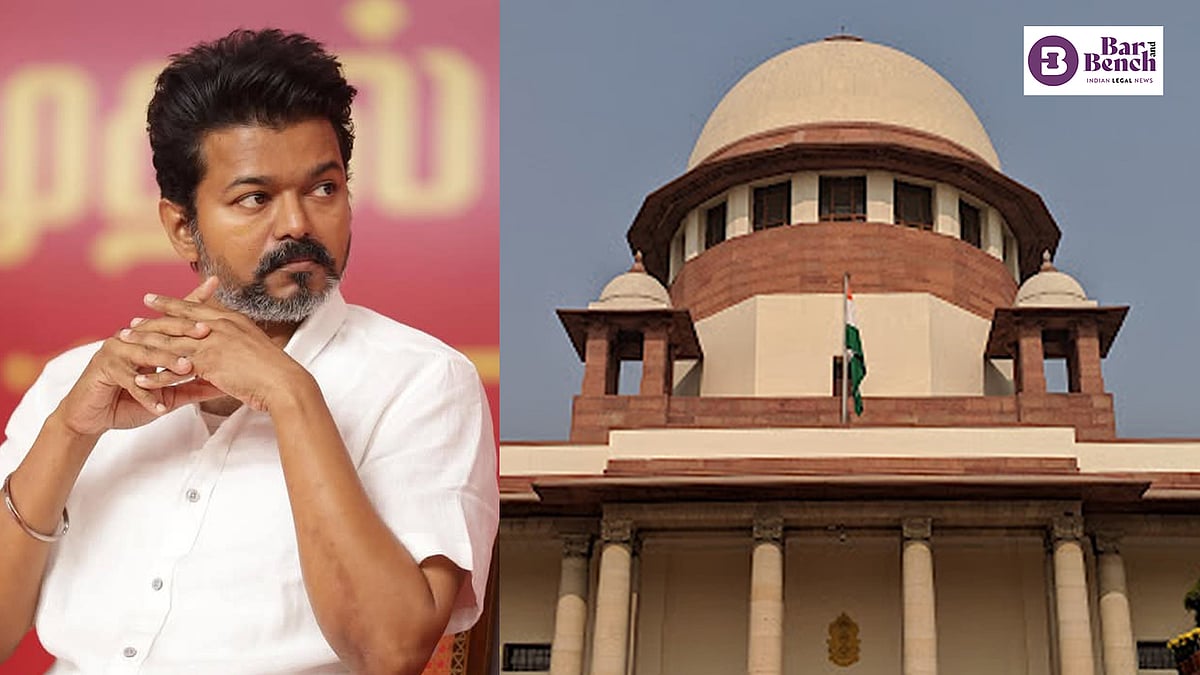
The Supreme Court has temporarily stayed the Madras High Court's order that quashed government job allocations to families of Karur stampede victims. This ruling preserves benefits pending further review.

The rapid growth of India's fintech sector calls for an updated conversation on liability insurance to address emerging risks. As the digital economy matures, stakeholders must reassess their insurance needs in a changing regulatory landscape.
Section 3(m) of the Patents Act, previously underutilized, is now increasingly pivotal in patent litigation. A recent analysis reveals discrepancies between Indian patent laws and European standards, particularly regarding methods of performing mental acts.