
Madras High Courtconstitutionalmedia
Madras High Court Stays Blocking of VHP’s Posts on X
The Madras High Court ruled that satire should not be treated as sedition by staying a notice against VHP's social media posts.
May 19, 2026Read more →
AI-curated court updates, legal developments, and practice-area insights for Indian legal professionals.
The Madras High Court ruled that satire should not be treated as sedition by staying a notice against VHP's social media posts.

The Supreme Court established two additional election tribunals to address disputes from ongoing State Bar Council elections, enhancing the resolution mechanisms available for legal practitioners.
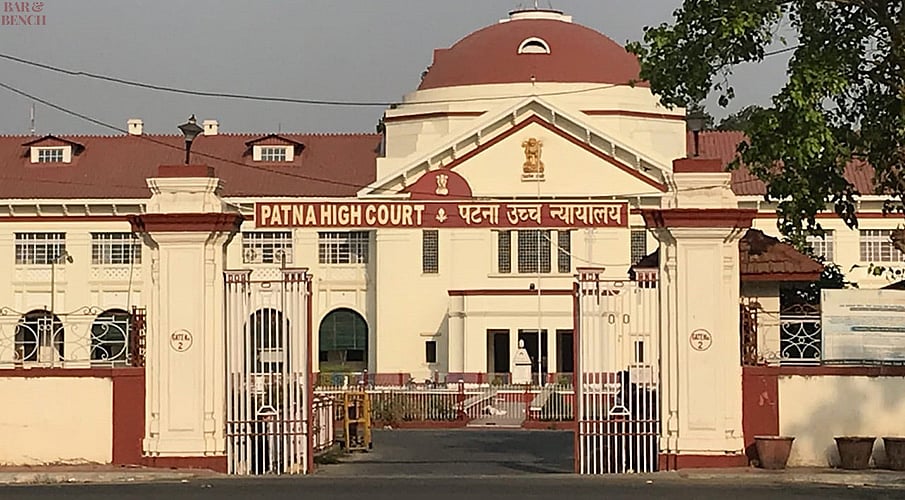
The Patna High Court invalidated the Bihar government's decision to downgrade security for MP Pappu Yadav, deeming it arbitrary. The ruling emphasized adherence to due process in security matters for public figures.

The ITAT ruled that remote access and virtual services do not equate to a Permanent Establishment under the India-Canada DTAA, rejecting the 'Virtual Service PE' theory in a case involving IMAX Theatre Services.

The GST Appellate Tribunal (GSTAT) has established benches and a structured hearing process for handling GST appeals across India, improving efficiency in tax dispute resolution.

The DGFT has set new regulations capping gold imports under the Advance Authorisation Scheme at 100 kg, aimed at compliance and regulatory oversight.

The Karnataka High Court has annulled duplicate GST orders for the same tax period, mandating a fresh hearing from the stage of reply to the show cause notice, emphasizing procedural adherence in tax assessments.
The CESTAT has mandated reassessment of a refund claim involving excess countervailing duty for gold jewellery that was mistakenly classified, reinforcing the principle of accurate classification for duty claims.

The CESTAT has dismissed a refund appeal on customs duty reassessment, stating that the importer’s claim was barred due to late filing under Section 27. Proper documentation is paramount in navigating customs regulations.

The RBI has issued updated directions on responsible business conduct specifically for Regional Rural Banks, reinforcing ethical standards in their operations.
The RBI has implemented amendments concerning credit risk management for Non-Banking Financial Companies, aimed at improving the resolution process of stressed assets.
The Reserve Bank of India has introduced amendments to the credit risk management guidelines specifically for Regional Rural Banks, bolstering their operational frameworks.
The RBI has released an important amendment concerning income recognition, asset classification, and provisioning for all-India financial institutions, in response to evolving financial landscapes.