Exploring Personality Rights: A High Court Ruling
A recent Delhi HC ruling underscores challenges and complexities within the evolving jurisprudence of personality rights in India as it granted rights to Anil Kumar Tiwari.
AI-curated court updates, legal developments, and practice-area insights for Indian legal professionals.
A recent Delhi HC ruling underscores challenges and complexities within the evolving jurisprudence of personality rights in India as it granted rights to Anil Kumar Tiwari.
The Delhi High Court issued an ad-interim injunction against the defendants in Ivy Entertainment v. Rahul Singh, raising questions about copyright protection on distinct lyrical hooks.
In a recent ruling, the Delhi High Court examined the conflict between trademark registration priority and established goodwill in the marketplace, arising from the ongoing '20-20' trademark dispute.
This week's review highlights key updates in Indian copyright law, particularly focusing on the Delhi High Court's notable ruling in Bansal v. Philips. Additionally, insights into the evolving landscape of personality rights in India are showcased.
The ITAT Mumbai ruled that reassessment notices served after the limitation period are invalid, setting a precedent for timely compliance in tax assessments.
The court found discrepancies in share premium allocations, asserting that remand for factual verification was necessary rather than relying on probability. This reaffirms the need for substantiating claims with concrete evidence.
SEBI is scrutinizing AI-powered investment advisory platforms, stating fintech firms and registered advisers are accountable for AI-generated recommendations. This highlights emerging compliance challenges in financial services.
The Calcutta High Court has dismissed a writ petition filed by the Income Tax Department, ruling that they failed to substantiate claims under the exceptional category to bypass a low tax effect limit.

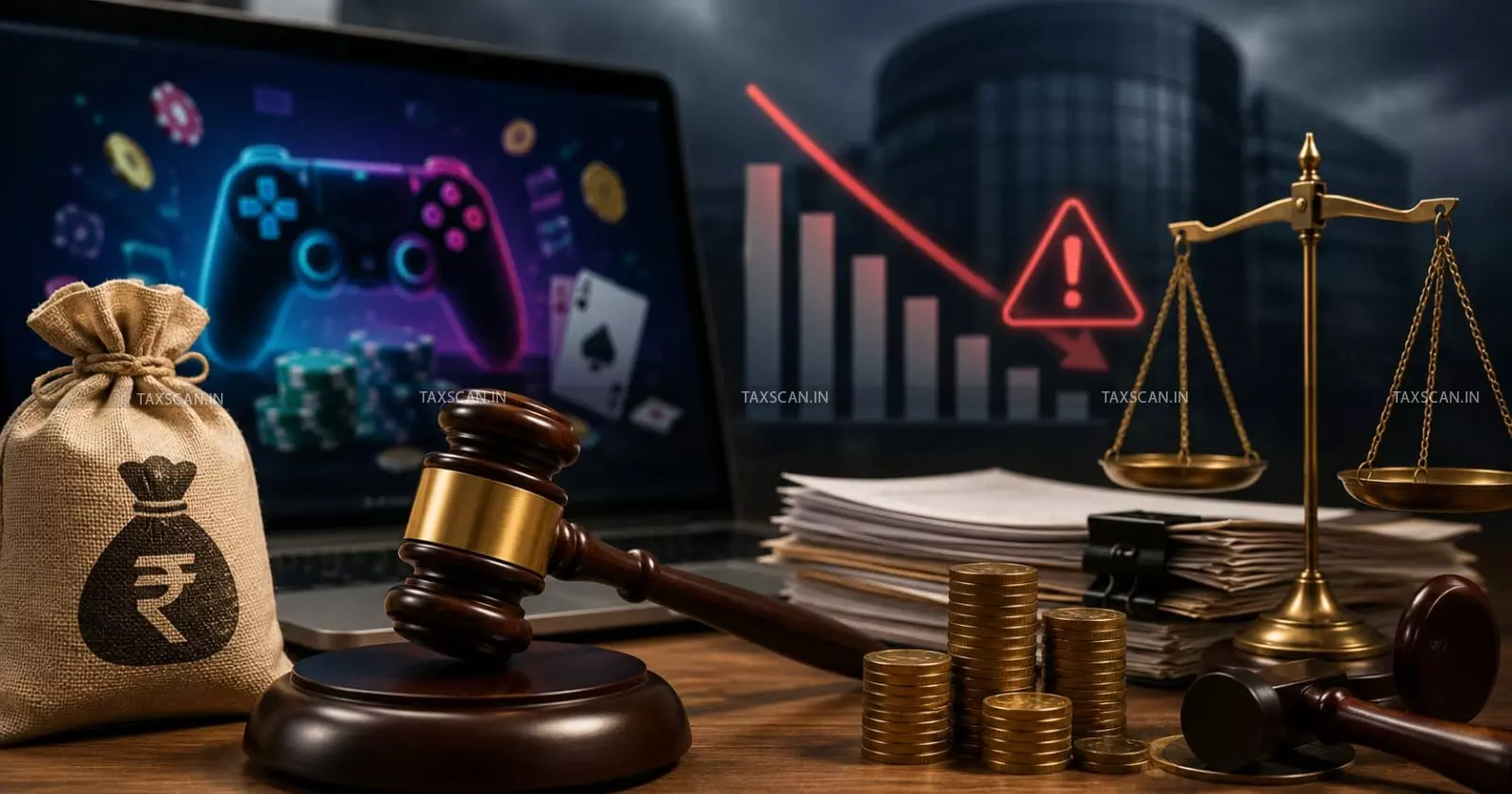
The NCLT has admitted an insolvency plea against an online gaming firm due to a loan default of ₹2.81 crore, emphasizing the time value of money principle.

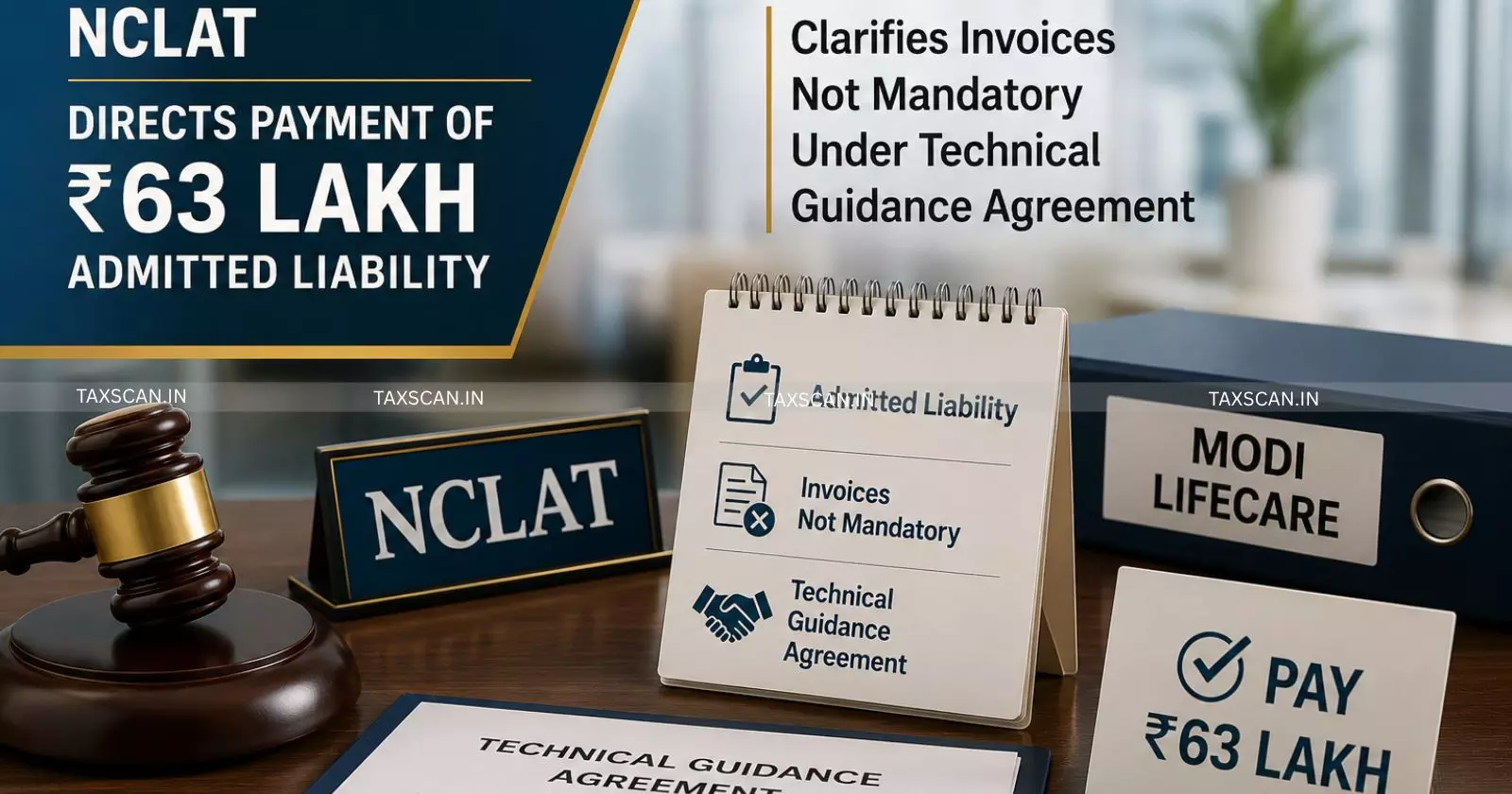
The NCLAT has ruled that invoices are not mandatory for establishing operational debt under the Technical Guidance Agreement. This ruling clarifies the obligations of Modi Lifecare regarding the admitted liability.

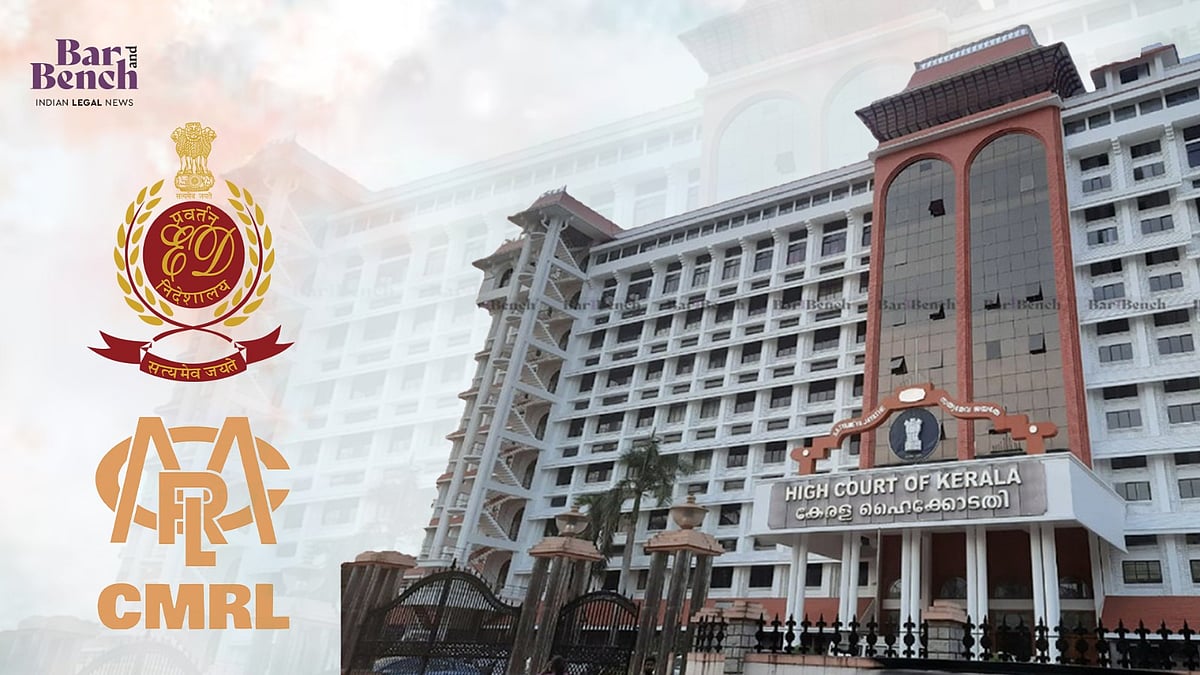
The Kerala High Court has declined to quash the Enforcement Directorate's investigation into Cochin Minerals and Rutile Limited involving allegations against former CM's daughter. The court's decision allows the probe to proceed.

The Delhi High Court Bar Association has filed a challenge against the formation of a committee to examine an increase in pecuniary jurisdiction for district courts. The matter is set to be heard by the court.

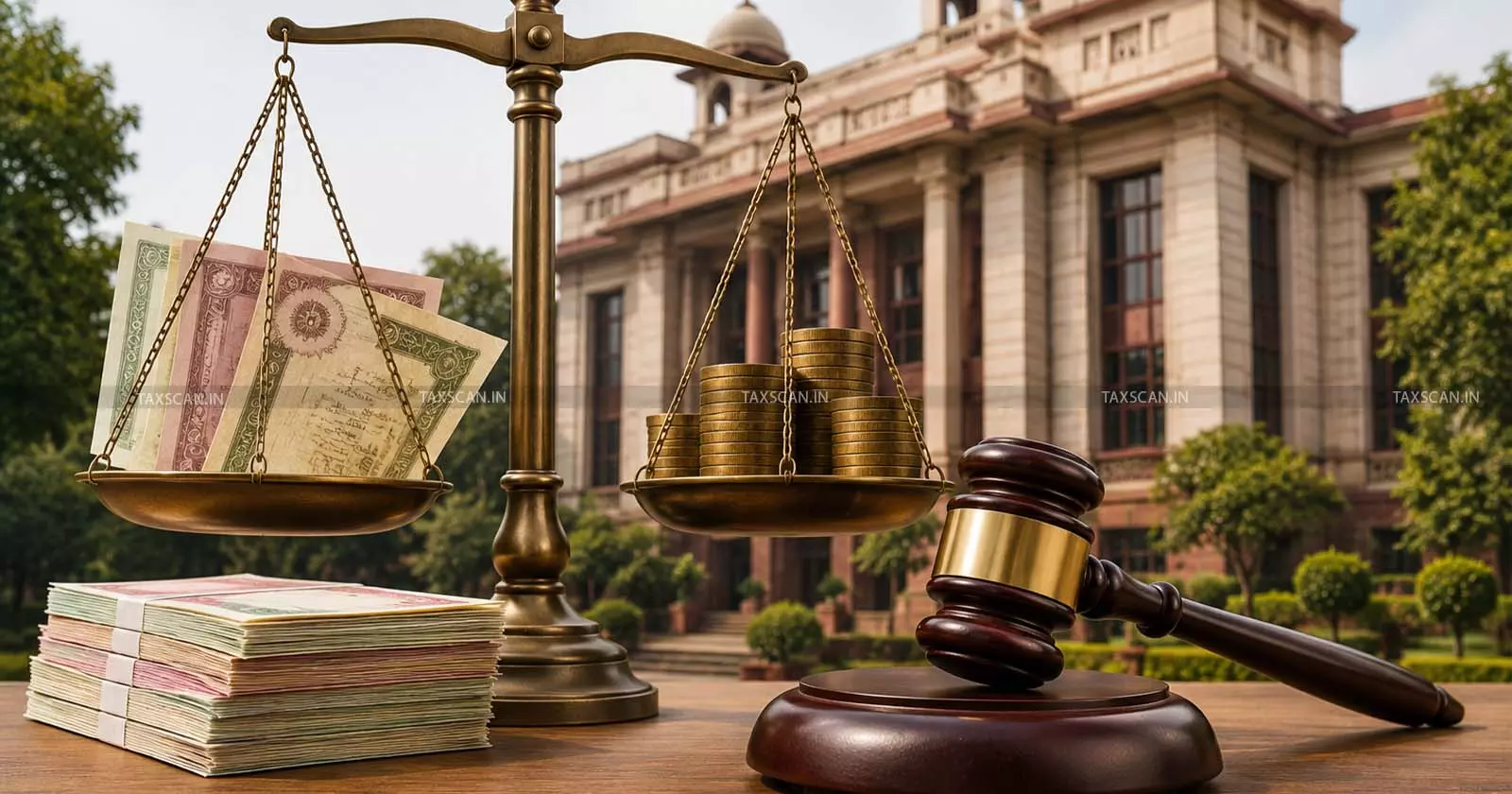
The Delhi High Court mandated that the Income Tax Department pay interest on the maturity value of KVPs and IVPs retained unlawfully from December 2003 to January 2005. The court criticized the department for its 'stubborn attitude' in this matter.