
Income Tax Appellate Tribunaltax
ITAT Holds Contradictory Tax Treatment Unsustainable
The ITAT ruled that the Income Tax Department must maintain consistent positions in similar cases concerning long-term capital loss claims.
Jun 30, 2026Read more →
AI-curated court updates, legal developments, and practice-area insights for Indian legal professionals.
The ITAT ruled that the Income Tax Department must maintain consistent positions in similar cases concerning long-term capital loss claims.

The RBI has released the Master Directions for Credit Derivatives, introducing new compliance guidelines. Key elements focus on credit index derivatives and total return swaps to promote market stability.
The Reserve Bank of India has issued the Sixth Amendment to the Foreign Exchange Management (Deposit) Regulations, enhancing regulatory clarity. This amendment aims to streamline deposit procedures in compliance with the Foreign Exchange Management Act, 1999.

The Kerala High Court has ruled that a petitioner can contest a NCLT-imposed fine of ₹1 lakh per day for non-compliance, allowing time to appeal.

A collaboration between India's CSIR and Brazil's INPI on the Traditional Knowledge Digital Library (TKDL) signifies a new phase in global biodiplomacy, with implications for biodiversity governance and user-country compliance.

Judges of the Gauhati High Court have expressed differing views on whether the 'reason to believe' for property attachment under the PMLA is confidential. The ruling may affect the transparency of provisional attachment orders made by enforcement agencies.

A Bengaluru court has issued summons to Karnataka Home Minister Priyank Kharge and Mohammed Nalapad for alleged criminal defamation concerning remarks against the RSS. The court found sufficient grounds under Section 356 of the Bharatiya Nyaya Sanhita to proceed with cognizance.
India's CSIR and Brazil's INPI have collaborated on the Traditional Knowledge Digital Library (TKDL), a strategic step in the governance of traditional knowledge and biodiversity.

The Delhi High Court upheld a nationwide temporary ban on the Telegram platform, highlighting the implications of platform architecture on regulation. This ruling reflects a shift towards recognizing 'architectural liability' in public law contexts.
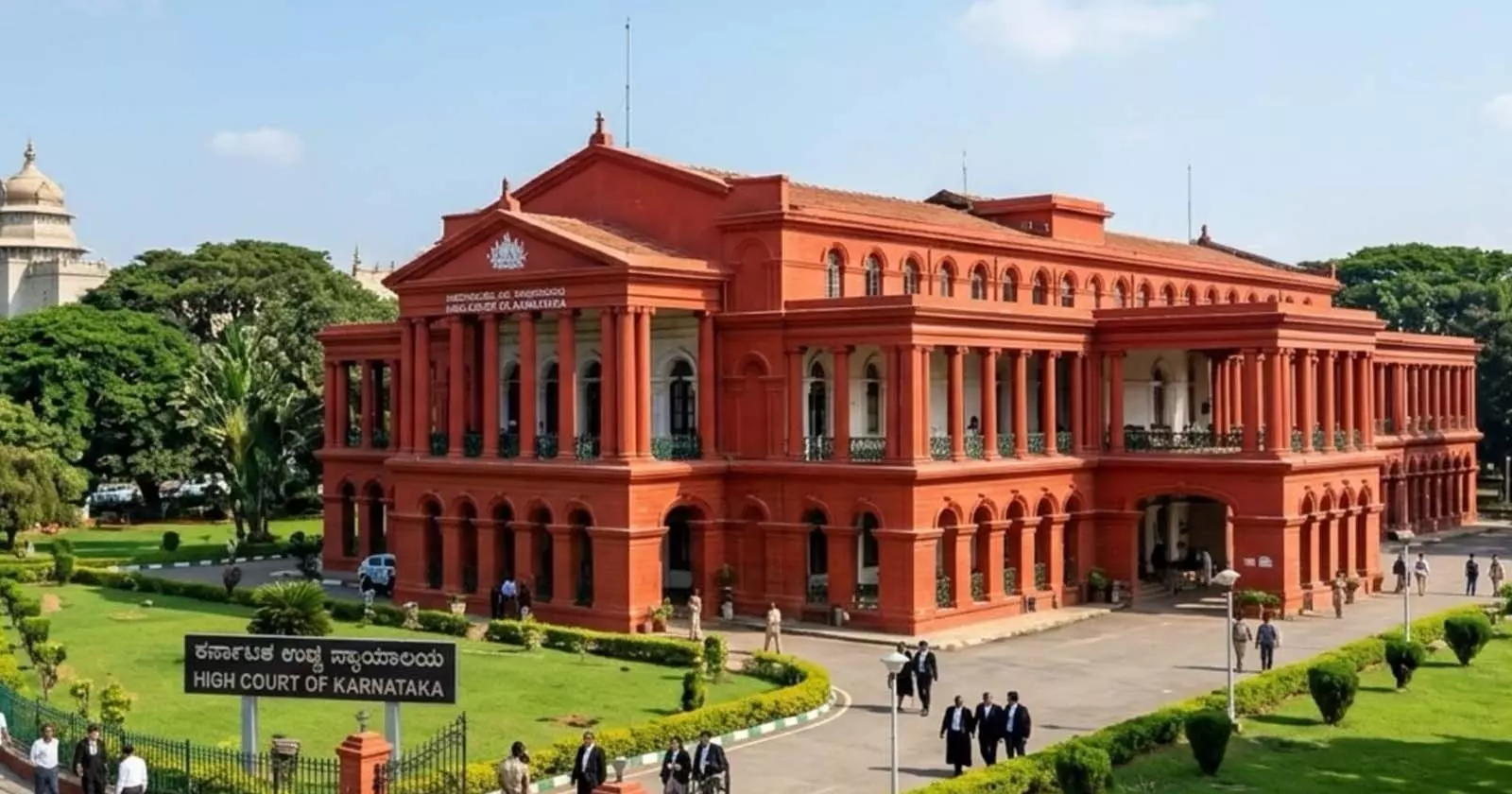
The Karnataka High Court dismissed an excise duty demand based on inadequate evidence, stating that power consumption alone cannot substantiate claims of clandestine removal.
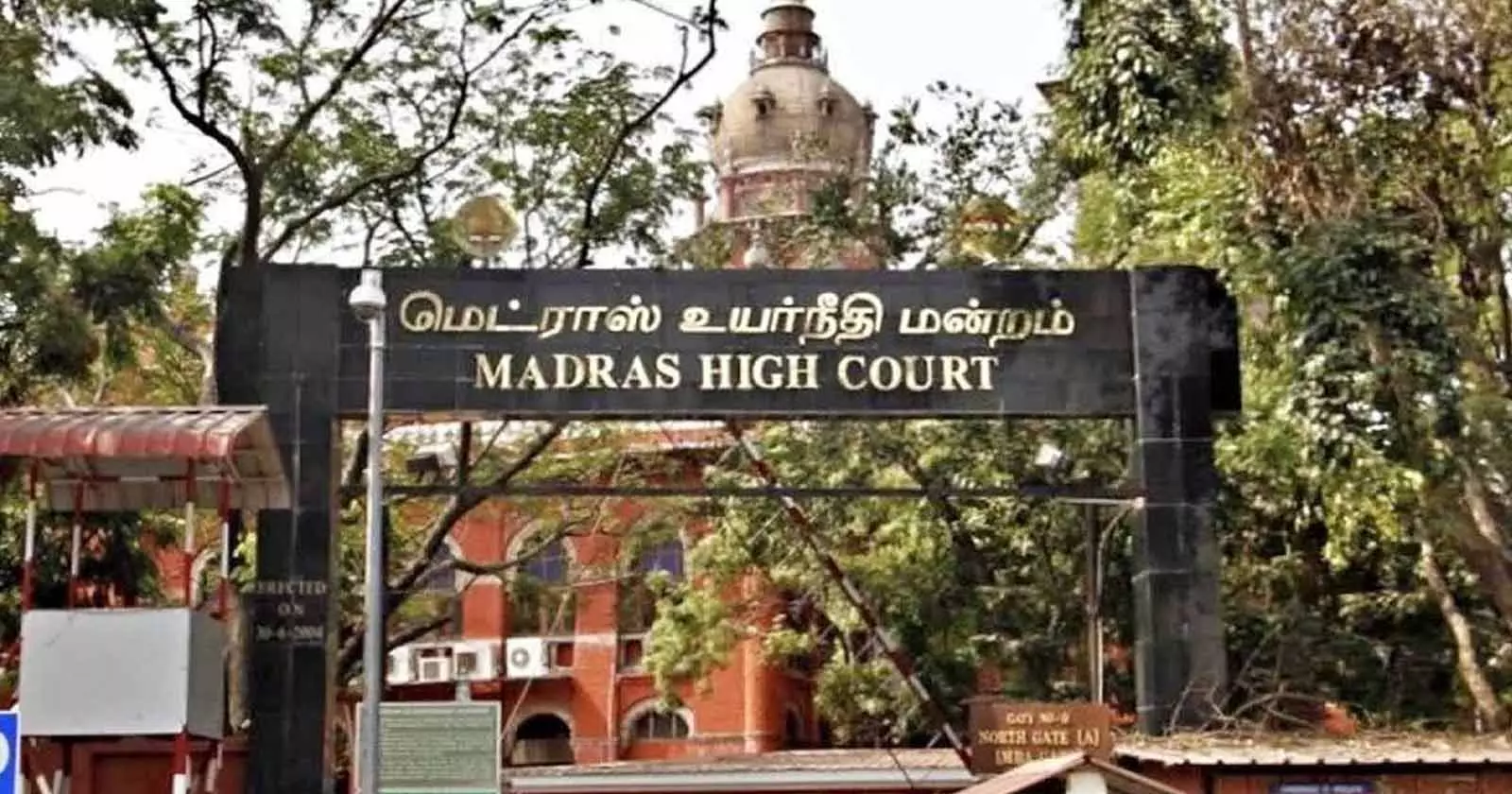
The Madras High Court clarified that one year of practice is required for registration as an Income Tax Practitioner, while stating it governs registration rather than restricts representation rights.

The Madras High Court ruled that GST Input Tax Credit (ITC) cannot be denied solely based on the retrospective cancellation of a supplier’s registration, underscoring due process in tax claims.
Sellers on platforms like Amazon and Flipkart are cautioned to navigate specific GST traps that could adversely affect profitability, significantly impacting compliance and operations.