ITAT Orders Fresh Hearing on ₹53 Lakh Cash Deposits
The ITAT has directed a fresh hearing regarding ₹53 lakh cash deposits of a taxpayer, acknowledging claims of mental and neurological illness. This order aims to ensure fairness in tax assessments.
AI-curated court updates, legal developments, and practice-area insights for Indian legal professionals.

The ITAT has directed a fresh hearing regarding ₹53 lakh cash deposits of a taxpayer, acknowledging claims of mental and neurological illness. This order aims to ensure fairness in tax assessments.

The ITAT has determined that interest paid by the Bank of Nova Scotia to the Reserve Bank of India for failing to meet the Statutory Liquidity Ratio (SLR) is compensatory and thus deductible. This marks a significant ruling regarding the treatment of such interest payments.

Cyril Amarchand Mangaldas facilitated Kotak Mahindra Bank's acquisition of Deutsche Bank's Private Banking and Wealth Management business, showcasing their expertise in financial transactions.

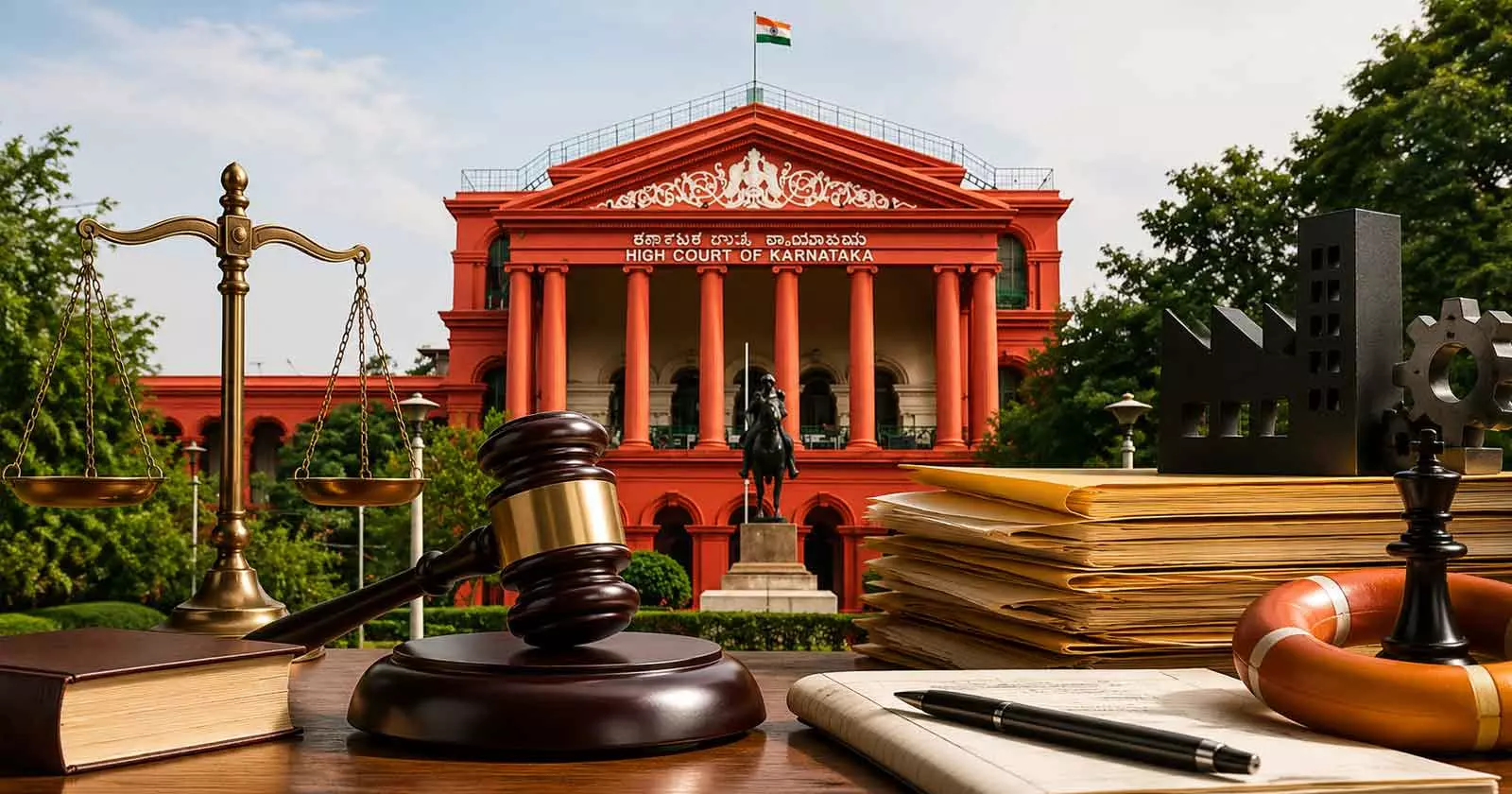
The Karnataka High Court offers interim protection to aggregators under the new Gig Workers Act, while also mandating the deposit of welfare fees.

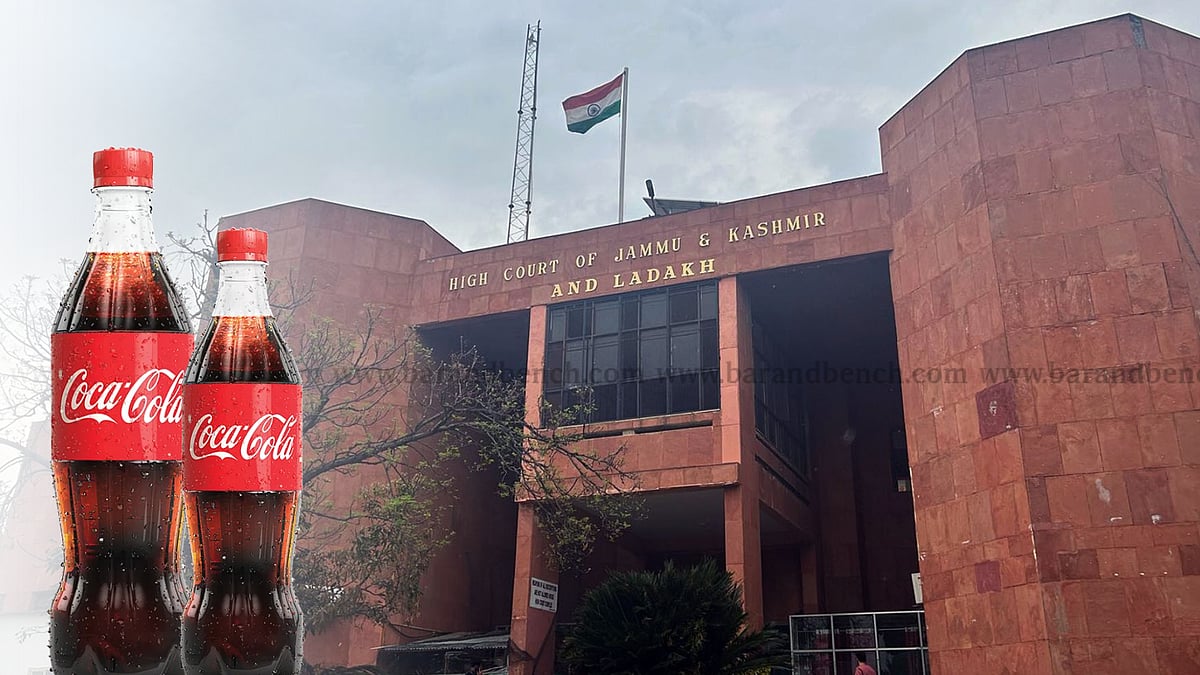
The Jammu and Kashmir High Court has quashed a 2016 criminal case against Hindustan Coca-Cola, ruling that dual MRPs were permissible under the law at the time.
The Kerala High Court has set aside a rejection by the NCLT concerning additional objections from a corporate debtor in IBC proceedings, emphasizing the NCLT's discretion to accept further pleadings for fair adjudication.
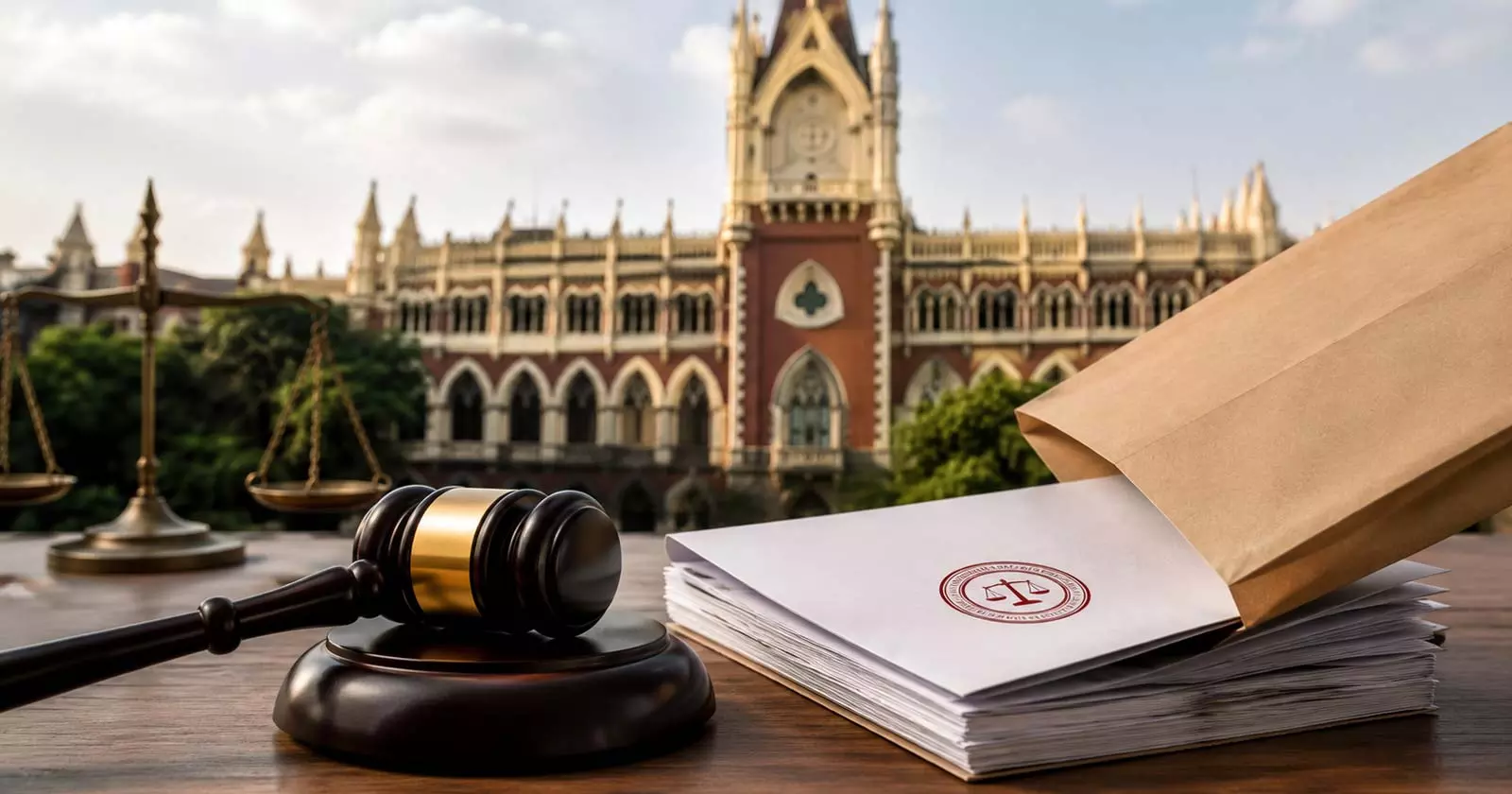
The Calcutta High Court returned a plaint against a National Company Law Tribunal (NCLT) valuation, stating its lack of territorial jurisdiction and the statutory bar on interference in ongoing liquidation proceedings.
SEBI has amended the framework for handling clients' unpaid securities, introducing direct demat pay-out with auto-pledge. The new regulations set specific timelines for pledge invocation, release, and liquidation.
The Supreme Court's refusal to stay the injunction in Flipkart v. Marc highlights unresolved trademark issues regarding house marks. Legal arguments suggest that while Indian courts are leaning towards using house mark theory, the Trademarks Act lacks a clear framework for such interpretations.

The Karnataka High Court ruled that writ petitions challenging civil trial court orders via certiorari are not maintainable during corporate insolvency. Parties must resort to statutory remedies under the CPC.

The Karnataka High Court ruled against quashing Canara Bank's IBC proceedings, reinforcing that writ petitions under Articles 226 and 227 are not maintainable against pending NCLT cases. This ruling preserves the integrity of the insolvency process.

The Kerala High Court set aside a rejection by the NCLT regarding additional objections, affirming the Tribunal's authority to permit such pleadings during Section 7 proceedings to ensure fair adjudication under IBC.

The Calcutta High Court found no territorial jurisdiction to hear the suit challenging the NCLT-ordered valuation and declined to interfere with the ongoing liquidation process. The ruling highlights the limitations of the High Court's jurisdiction in corporate insolvency matters.