FCRA Amendment 2026: Stricter Rules for NGO Compliance
The new FCRA Amendment Rules impose enhanced compliance and accountability measures on NGOs regarding foreign funding. Key changes include stricter registration and disclosure requirements.
AI-curated court updates, legal developments, and practice-area insights for Indian legal professionals.
The new FCRA Amendment Rules impose enhanced compliance and accountability measures on NGOs regarding foreign funding. Key changes include stricter registration and disclosure requirements.
The Supreme Court ruled that obtaining hotel booking records and call detail records is permissible to establish adultery in matrimonial disputes, as it does not infringe on privacy rights.
The Supreme Court established that the average income from the last three Income Tax Returns (ITRs) of self-employed individuals should be considered in compensation assessments, particularly in motor accident cases.
The Supreme Court ruled that post-death Income Tax Returns (ITRs) require financial verification and fixed annual income assessment based on available records. This decision enhances compensation considerations.

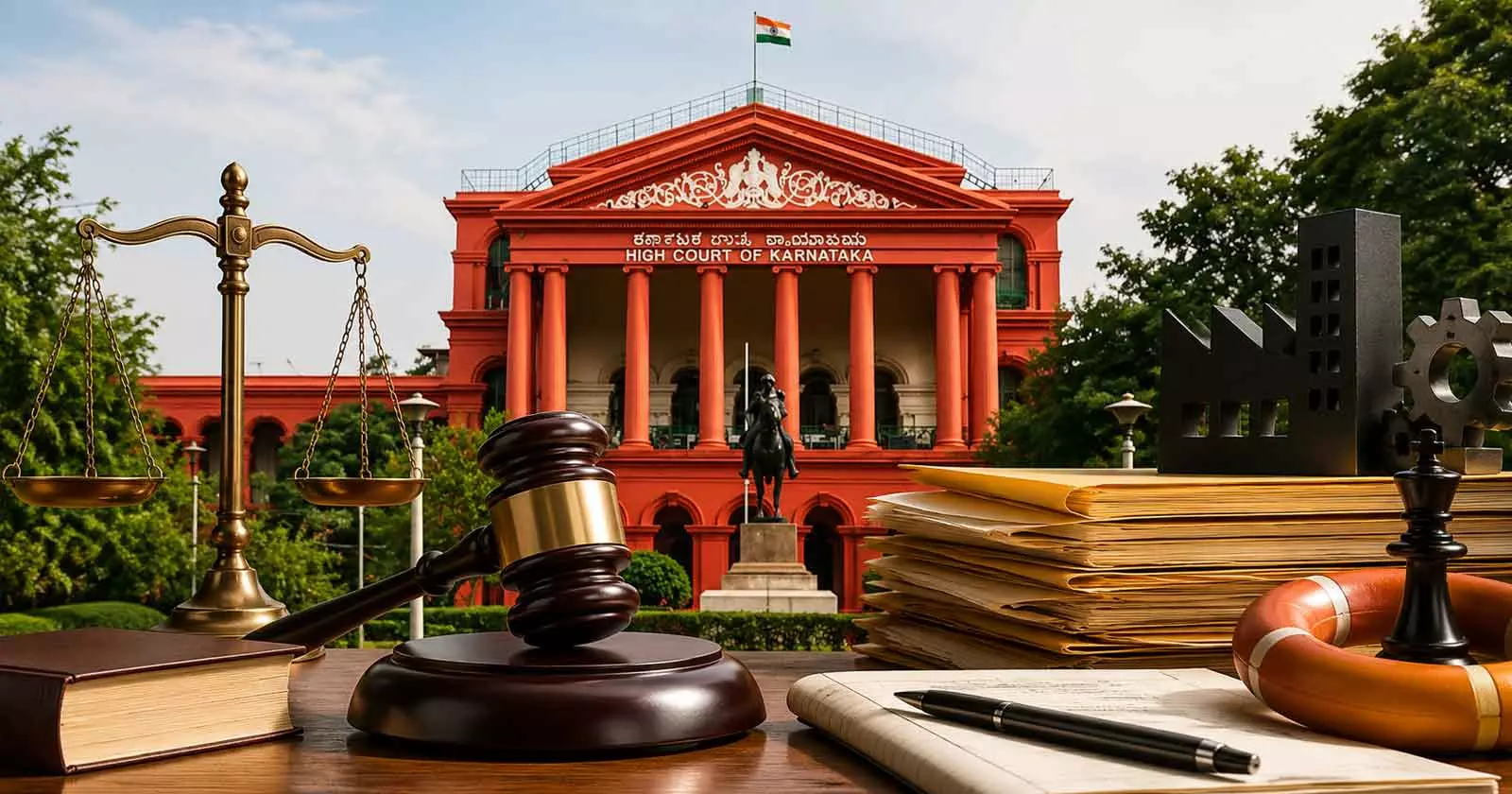
The Karnataka High Court ruled that writ petitions challenging civil trial court orders via certiorari are not maintainable during corporate insolvency. Parties must resort to statutory remedies under the CPC.

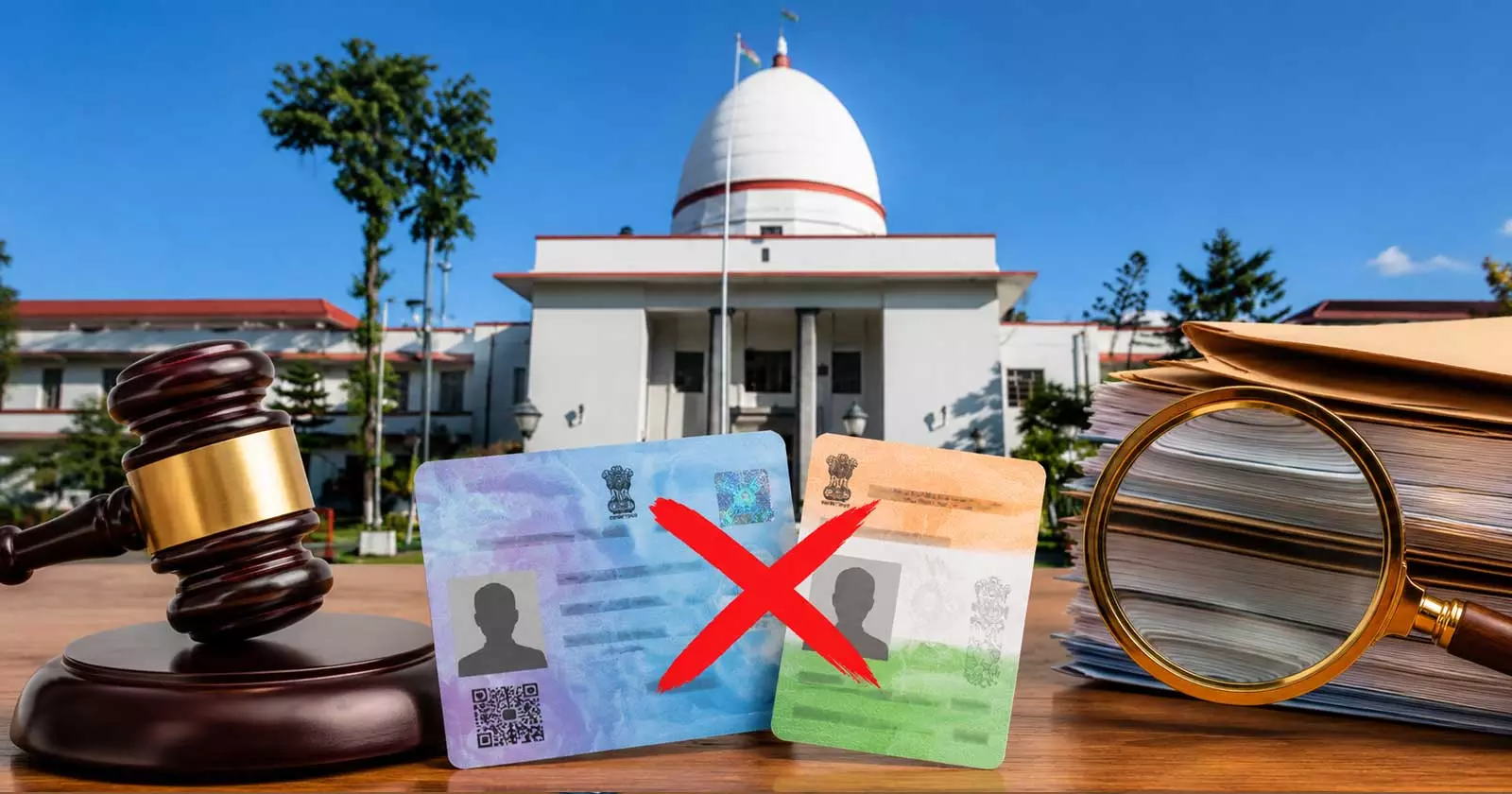
The Gauhati High Court ruled that PAN Card and EPIC are insufficient as proof of citizenship in Foreigners Tribunal cases without reliable supporting documents.

The Bombay High Court directed the Debt Recovery Tribunal to maintain the status quo on recovery proceedings concerning secured assets pending final adjudication.
The Delhi High Court reaffirmed the principles of transborder reputation in trademark law amidst a dispute over the 'Whistler' mark. It emphasized the evidentiary demands required to prove such claims in the digital age.

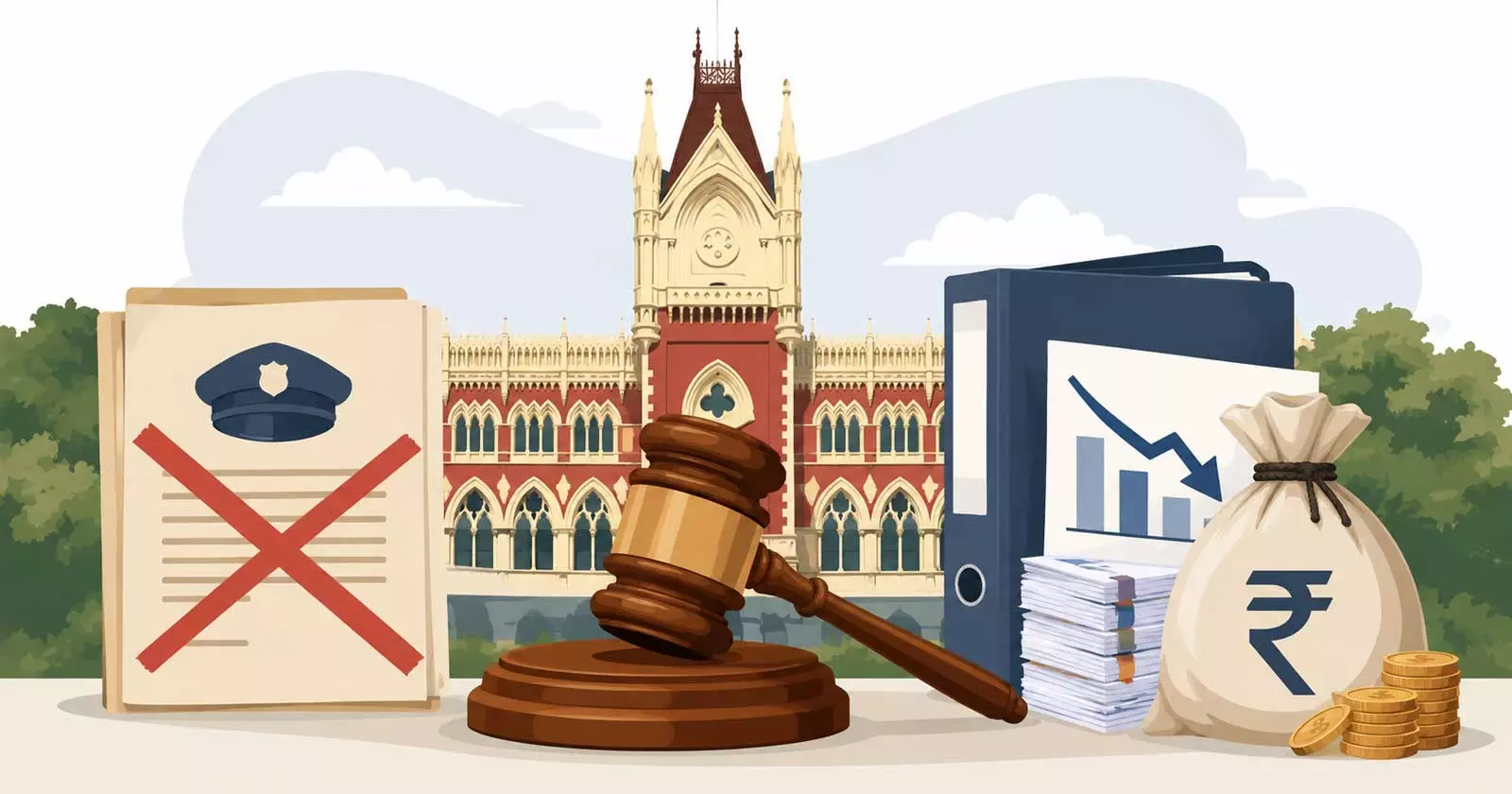
The Calcutta High Court quashed an FIR in a dispute worth Rs 3.3 crore, determining that the FIR filed after unsuccessful IBC proceedings constituted an abuse of process. The court noted that the petitioner had already made payments in compliance with previous orders.

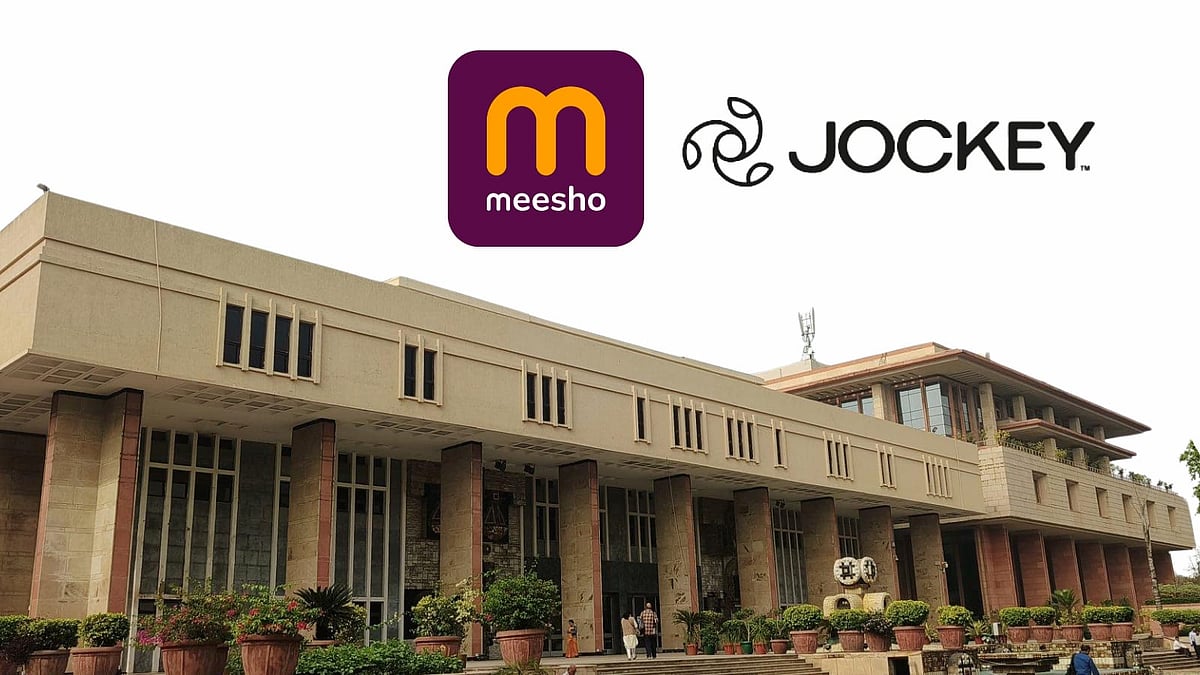
The Delhi High Court ordered Meesho to remove listings of products allegedly infringing on Jockey's trademark. The Court found that Jockey established a prima facie case of trademark violation regarding similar products sold on the platform.

The Calcutta High Court ruled that a commercial dispute over unpaid invoices is civil, quashing criminal proceedings against company directors.

A recent decision from the Debt Recovery Tribunal mandates Indian Bank to refund auction amounts with interest and compensation due to procedural violations.
The Madras High Court has restrained construction of a church near a century-old temple, noting a pending civil suit and the need to maintain status quo until the resolution of the land dispute.