Calcutta HC Directs Liquidation of 32 Banking Companies
The Calcutta High Court has ordered the completion of the liquidation process for 32 banking companies within six months, mandating periodic reporting to the RBI.
AI-curated court updates, legal developments, and practice-area insights for Indian legal professionals.
The Calcutta High Court has ordered the completion of the liquidation process for 32 banking companies within six months, mandating periodic reporting to the RBI.

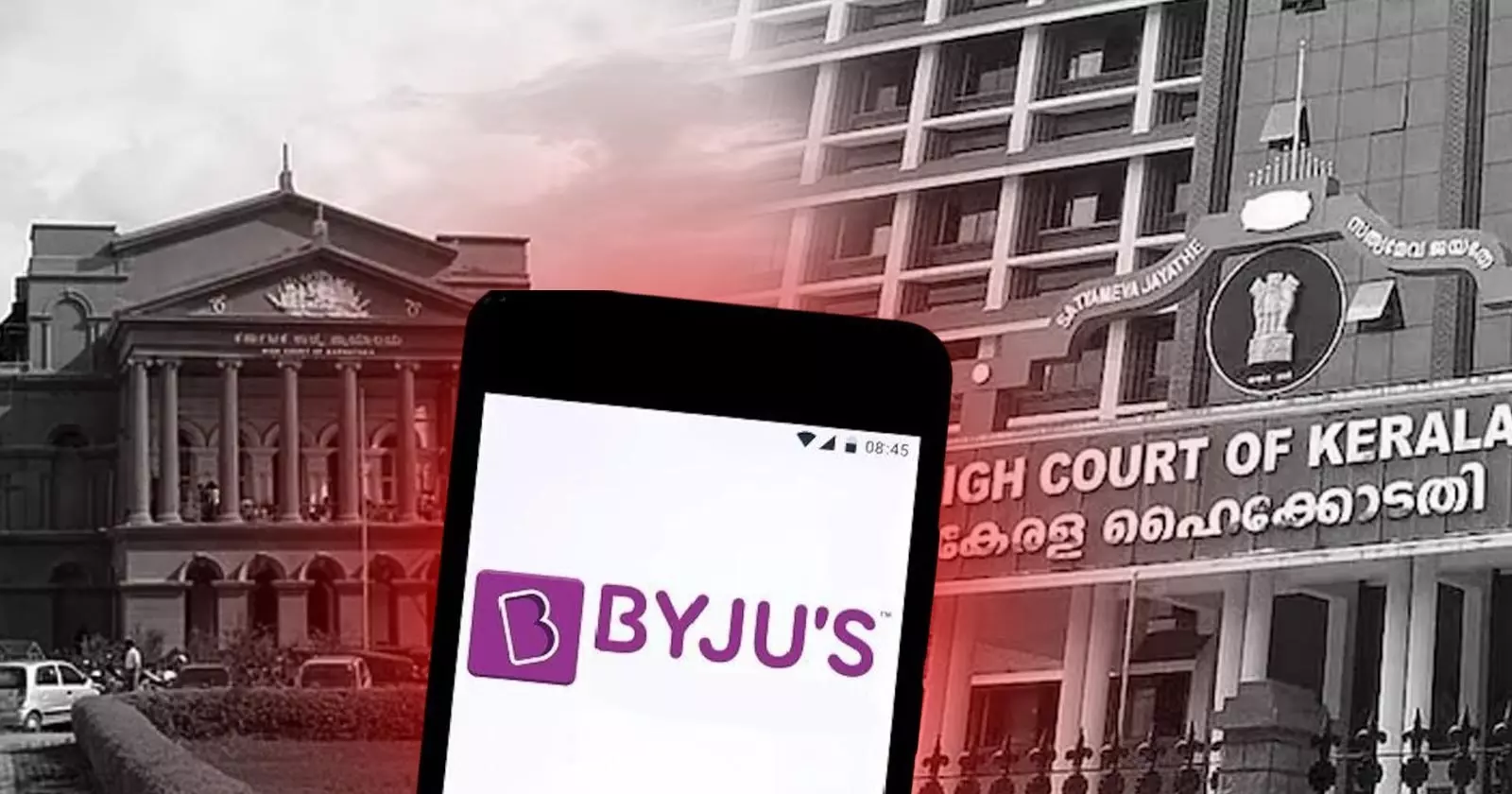
The Kerala High Court declined to direct CBI/ED investigations against the resolution professional of Byju's, referencing the pending stayed FIR in Karnataka HC.

The Orissa High Court has deferred a plea concerning the NCLT's jurisdiction over disputes related to a Cuttack club, emphasizing that such matters should be appropriately adjudicated by the trial court at the final hearing stage.
The Reserve Bank of India has issued guidelines on responsible business conduct for rural and urban co-operative banks, focusing on limiting customer liability in unauthorized electronic banking transactions.
The Reserve Bank of India has reviewed and streamlined the circulars issued under the Foreign Exchange Management Act, 1999, in a move to rationalize the regulatory framework. This initiative aims to improve clarity and compliance for authorized entities.
The article elucidates that for government companies, approval for demergers must be obtained from the Central Government, not the NCLT, following the 2017 MCA notification.
The NCLT has approved stakeholder meetings for Refex Composite after clarifications on warrant forfeiture and compliance with the Companies Act. This decision allows shareholders and creditors to participate in the proposed scheme.
The Tripura High Court acquitted a defendant in a cheque bounce case due to failure to serve a valid statutory notice to the accused, underlining the necessity for adherence to Section 138 NI Act.
In a recent ruling, the NCLT determined that an unapproved bank transfer does not constitute a preferential transaction under the IBC.
The NCLT ruled that dues from TReDS are operational debts rather than financial debts, rendering a Section 7 IBC insolvency petition unmaintainable.

NCLT confirmed that a ₹200 crore capital infusion proposed in a resolution plan is distinct from the creditor settlement, thereby approving Hind Agro's plan under the IBC.

NCLT ruled that a bank appropriating a corporate debtor's funds cannot be defined as a preferential transaction absent the debtor's action indicating preference. This sheds light on creditor recovery measures.

NCLT ruled that a unilateral bank transfer does not qualify as a preferential transaction absent evidence of preference by the corporate debtor. The tribunal dismissed a claim against Sintex Industries on these grounds.