GST Appeal Cannot Be Dismissed on Hyper-Technical Limitation Grounds Despite Sufficient Cause: Calcutta HC
The Calcutta High Court restored a delayed GST appeal, stating that limitation grounds should not override sufficient cause claims.
Latest court orders, judgments, and legal developments from Indian courts — AI-curated and summarized.
The Calcutta High Court restored a delayed GST appeal, stating that limitation grounds should not override sufficient cause claims.
The Madras High Court approved the extended limitation for GST orders concerning fictitious input tax credit claims, emphasizing procedural compliance by tax authorities.
The Madras High Court has remanded GST assessment orders related to SEZ reverse charge mechanism claims for fresh examination due to a lack of verification of critical documents.
High Courts have mandated that proper notice, reasons, and objective criteria are essential prior to canceling GST registrations retrospectively as per Section 29(2).
The ITAT Kolkata ruled that reassessment based on incorrect factual assumptions is invalid and quashed the reopening.
The ITAT Delhi ruled that goodwill from amalgamation qualifies as a depreciable intangible asset, and deleted the TP adjustment for overdue AE receivables.
The ITAT ruled that assessment passed after the taxpayer's death is invalid in law, leading to the quashing of the order and treating remaining issues as academic.
The Bombay High Court disposed of Revenue appeals below ₹50 lakh, ruling that the CBDT exception added on 20 August 2018 applies prospectively and not retrospectively.
ITAT Delhi held that Section 68 was inapplicable where shares were disclosed in an earlier year and sale proceeds were already offered as income, thus avoiding double taxation.
Calcutta High Court dismissed the Revenue's appeal after the remand report confirmed that the disputed receipt was sale proceeds of investments rather than an unsecured loan. This ruling impacts the interpretation and application of Section 68.

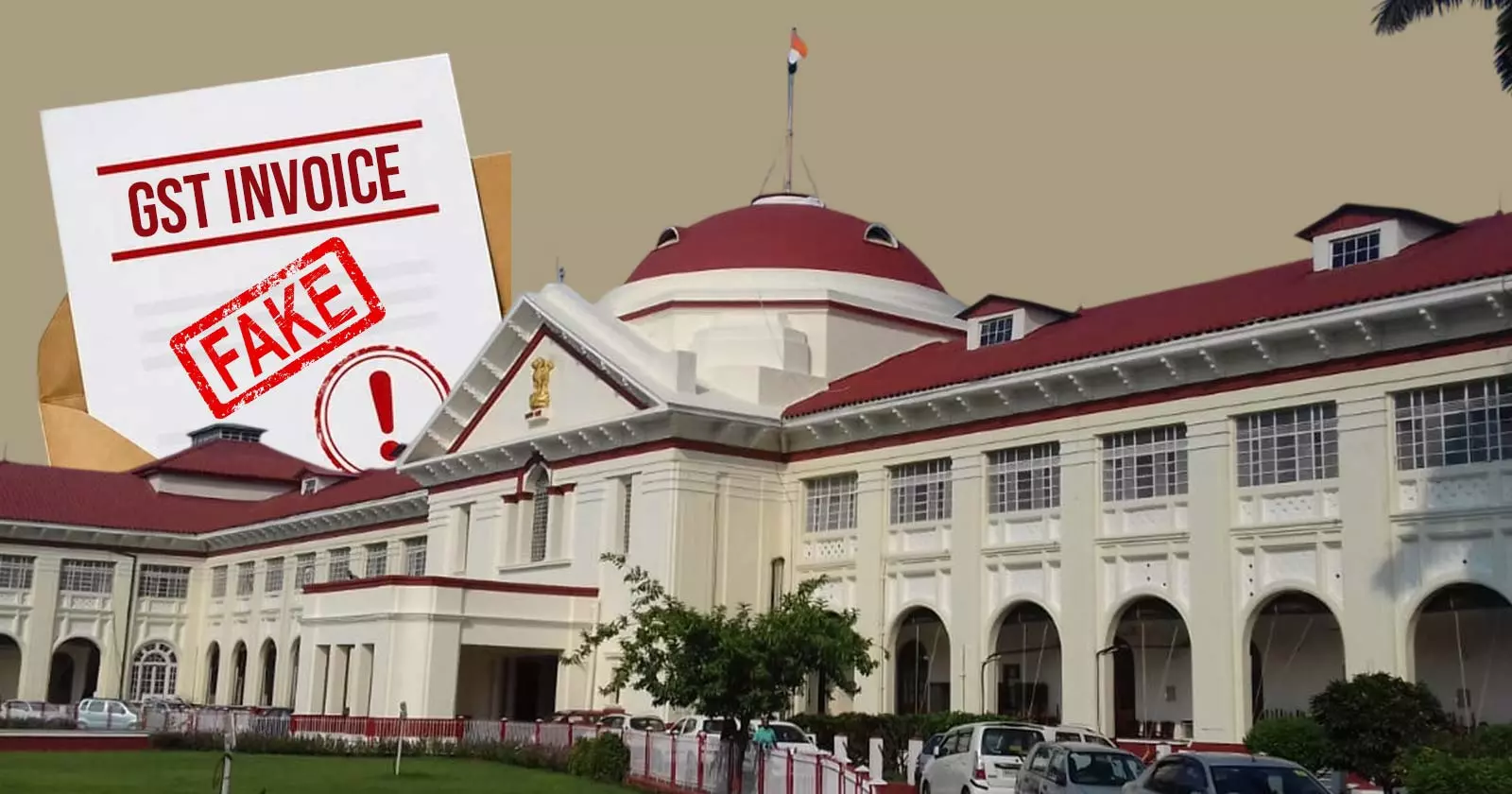
The Patna High Court has refused to grant pre-arrest bail to a company shareholder accused of issuing 857 fake GST invoices. The court noted the accused's criminal record as a factor in its decision.

The ITAT has remanded a matter concerning a ₹70 lakh property purchase claimed as a gift from a husband, ordering fresh verification by the Assessing Officer. This emphasizes the importance of verifying claims of substantial gifts in taxation.