ITAT Sets Aside Assessment Orders Due to Ignored E-Filings
The ITAT restored cases to the Assessing Officer, directing a fresh consideration of all evidence due to the lack of verification for e-filing submissions.
Latest court orders, judgments, and legal developments from Indian courts — AI-curated and summarized.

The ITAT restored cases to the Assessing Officer, directing a fresh consideration of all evidence due to the lack of verification for e-filing submissions.

The ITAT confirmed the deletion of an adjustment related to comparables, noting that maintenance payments were not considered substantial for the assessment year. This ruling clarifies the treatment of IT infrastructure expenditures.
The ITAT Patna ruled that purchases cannot be wholly disallowed if they correlate directly with verified sales, emphasizing the importance of stock and sales documentation in tax assessments.
The ITAT ruled that there was insufficient evidence to classify a cash shortage as a deemed dividend since it was linked to a proprietary concern. This highlights the necessity for clear financial documentation.
The Calcutta High Court dismissed the Income Tax Department’s appeal due to compliance with the low tax effect threshold, reinforcing the requirement for exceptional circumstances to justify such appeals.

The ITAT upheld an addition of ₹2.78 Crores for undisclosed aluminium stock, finding the taxpayer's claims of storing 28,000 kgs in a small premises implausible.

The ITAT has remanded the transfer pricing adjustment under Section 92CA, citing errors in the earlier calculations and directing fresh adjudication by the Assessing Officer and TPO.

The ITAT ruled against the addition of ₹50 lakh under Section 68, overruling the Assessing Officer's doubts concerning the investor's financial capacity as unfounded.

The ITAT partly allowed an appeal, determining that the Assessing Officer had made summary additions related to liabilities, undisclosed business receipts, and opening capital without appropriate examination of evidence.

The Income Tax Appellate Tribunal ruled that Section 2(22)(e) does not apply when the cash shortage is related to a proprietary concern rather than a company. This decision clarifies the scope of deemed dividend provisions under the Income Tax Act.

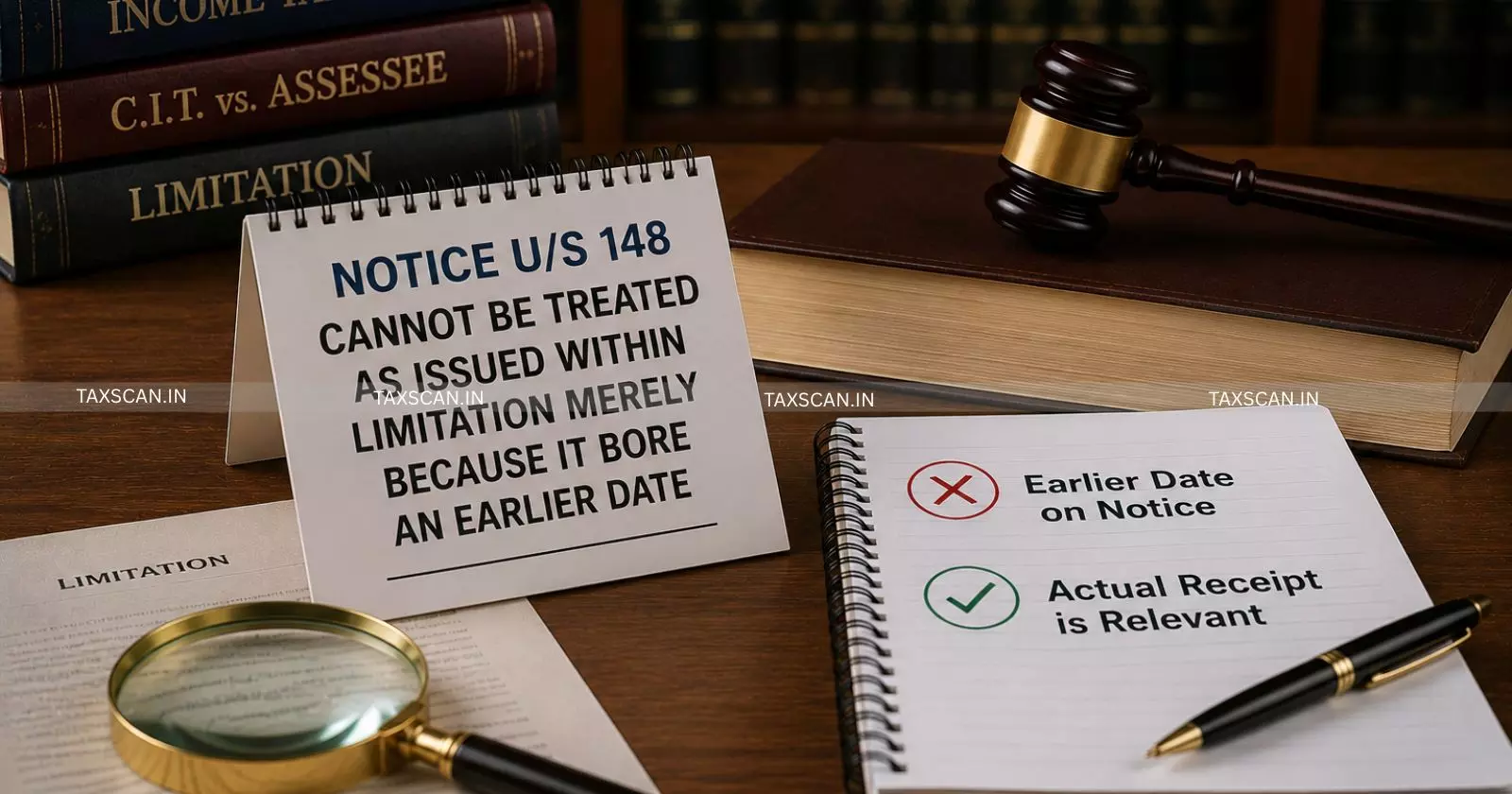
The ITAT ruled that a notice under Section 148 of the Income Tax Act, despite being dated earlier, is barred by limitation if it is signed and served beyond the prescribed period. This establishes the necessary timeliness in reassessment procedures.
The ITAT has ruled that purchases cannot be deemed bogus when there is a one-to-one correlation with corresponding sales, reinforcing the importance of substantiating transaction legitimacy.