NCLT Begins CIRP Due to Operational Debt Against Paper Mill
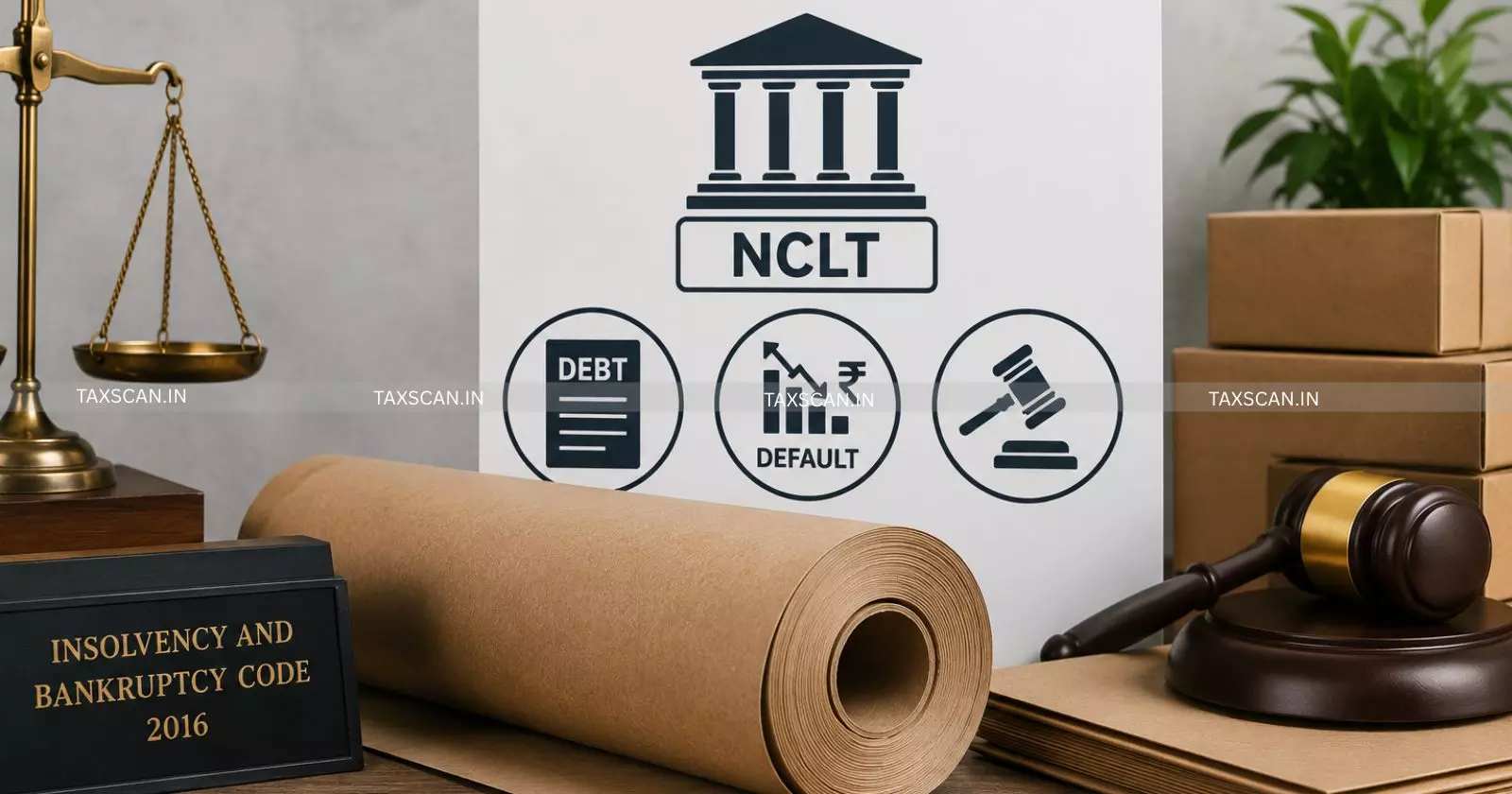
The NCLT has initiated Corporate Insolvency Resolution Process against a paper mill due to ₹1.25 crore operational debt, underscoring the absence of a genuine dispute.
Latest court orders, judgments, and legal developments from Indian courts — AI-curated and summarized.

The NCLT has initiated Corporate Insolvency Resolution Process against a paper mill due to ₹1.25 crore operational debt, underscoring the absence of a genuine dispute.

The NCLT has initiated Corporate Insolvency Resolution Process (CIRP) against a corporate debtor and imposed a moratorium under Section 14 of the IBC, appointing Naresh Kumar Tailor as the Interim Resolution Professional.

The NCLT directed Kotak Mahindra Bank to release title deeds after confirming receipt of full payment by the corporate debtor, asserting that creditor retention of documents post-payment contravenes the resolution plan.

The NCLT has admitted an insolvency plea against a kraft paper manufacturer, adjudging that the debt and default were proven. Interim Resolution Professional Rishabh Sethi has been appointed to oversee the company's affairs.

The NCLT has initiated a Corporate Insolvency Resolution Process (CIRP) against a corporate debtor citing financial distress, confirming that such distress does not exempt the company from insolvency proceedings. An Interim Resolution Professional has been appointed.

In a significant ruling, the NCLT has directed Kotak Mahindra Bank to return title deeds owed to a corporate debtor following full payment of the approved resolution plan. This decision reinforces creditors' obligations post-resolution settlement.

The NCLT has admitted an insolvency plea against a kraft paper manufacturer, appointing Rishabh Sethi as the Interim Resolution Professional. This marks a significant step in the corporate insolvency resolution process under Section 9 of the IBC.

The Karnataka High Court annulled an arbitral award due to the tribunal's failure to consider vital GST invoices, demonstrating the legal imperative for arbitral bodies to account for all evidence in tax-related disputes.
The RBI has released the 'Kisan Credit Card (KCC) Scheme' directions relevant to commercial banks, aiming to improve credit access for the agricultural sector.
The RBI has issued the 'Kisan Credit Card (KCC) Scheme' directions for small finance banks, enhancing the accessibility of credit for farmers in this sector.
The RBI has released 'Kisan Credit Card (KCC) Scheme' directions specifically for regional rural banks, aiming to facilitate improved credit access for farmers.
The RBI has released the 'Kisan Credit Card (KCC) Scheme' directions for rural co-operative banks to enhance credit access for farmers. The directions detail credit purpose, tenure, limits, and other provisions.