India-Sri Lanka Tax Protocol Enforced: Double Taxation Relief Effective from FY 2027
The recently enforced India-Sri Lanka Tax Protocol aims to provide double taxation relief along with anti-abuse measures effective from FY 2027.
Latest court orders, judgments, and legal developments from Indian courts — AI-curated and summarized.

The recently enforced India-Sri Lanka Tax Protocol aims to provide double taxation relief along with anti-abuse measures effective from FY 2027.

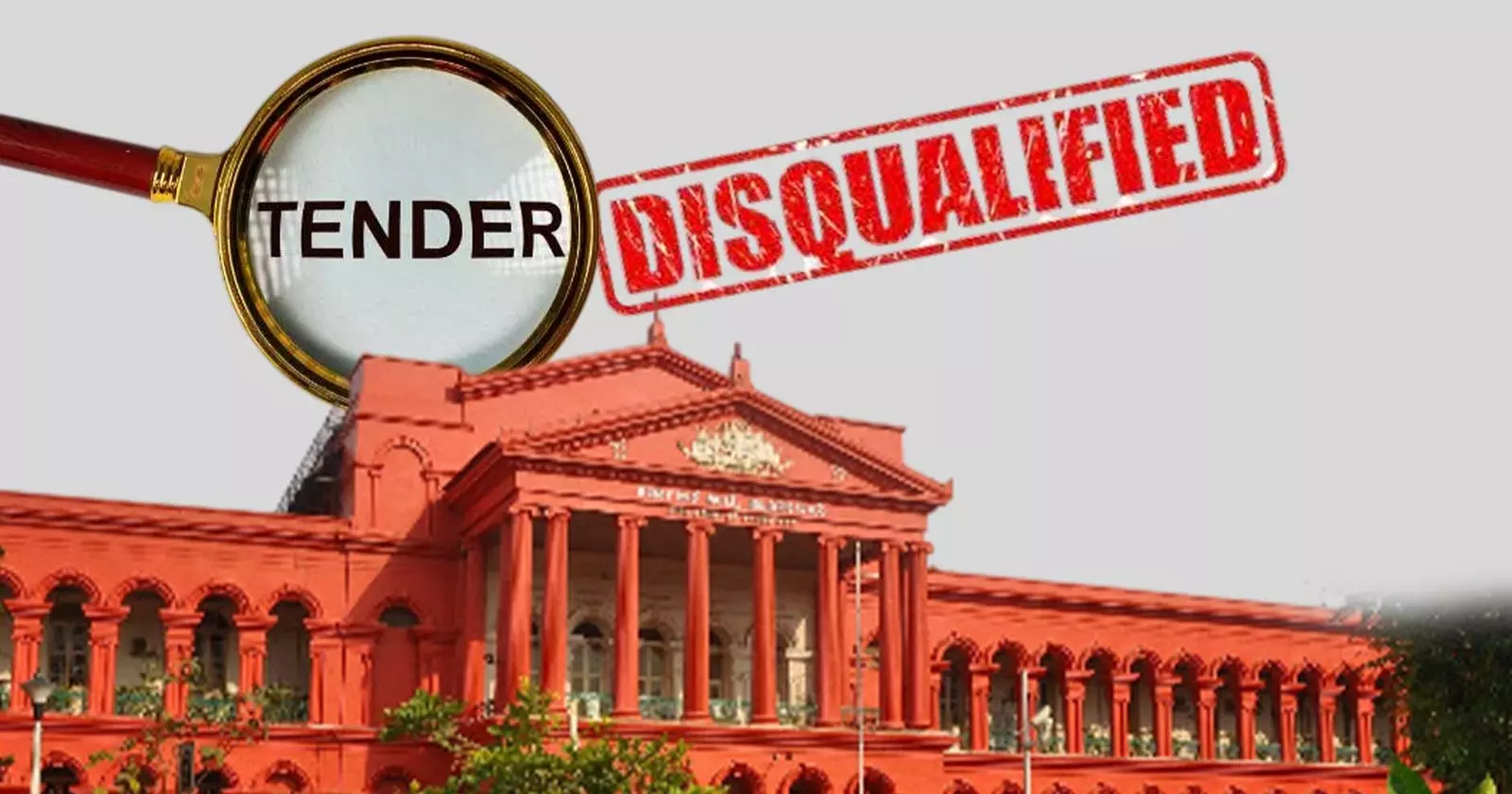
The Karnataka High Court upheld the disqualification of a company from a tender process due to the director's tax default. The ruling suggests that de facto control by directors in tax compliance is crucial.

The Andhra Pradesh High Court ruled that a show cause notice in faceless assessments must allow a minimum of seven days for taxpayer response. This decision annuls a previous assessment where only four days were provided.

The Uttarakhand High Court has dismissed a batch of writ petitions, stating that Section 5 of the Limitation Act cannot be applied to GST appeals filed beyond the four-month statutory deadline. The court emphasized that allowing such appeals would contravene legislative intent.

The ITAT has quashed an income tax reassessment due to a lack of recorded reasons, emphasizing their significance in reopening cases under Section 148.
The CESTAT Kolkata has set aside penalties under Section 114A, reversing the duty demand and confiscation following a failed reclassification of goods. The ruling highlights the need for accurate classification based on substantiated evidence.
The Telangana High Court granted conditional bail in a significant ₹12 crore HSNS Cess evasion case, considering custody duration and the absence of a custody petition. Practitioners should note the Court's approach to balancing judicial discretion and custodial rights.

The Punjab and Haryana High Court emphasized that simply stating a taxpayer's response as 'not satisfactory' is insufficient for valid GST adjudication. The court's ruling underscores the need for a detailed assessment of a taxpayer's justification.
A judge of the Allahabad High Court has filed a petition against the denial of tax exemption on statutory allowances. The Court has requested responses from the government and the CBDT.
The Delhi High Court upheld taxation on commissions earned from bogus donation receipts issued by a political party, reiterating that fraudulent practices cannot shield entities from tax obligations.
The Delhi High Court invalidated GST notices due to the department's inability to issue a Section 73 order within stipulated time limits. This decision reinforces the necessity of timely compliance by tax authorities.
The Gujarat High Court has reopened proceedings concerning the Employee State Insurance (ESI) applicability for women rolling pappads, declaring that income tax exemptions do not bar ESI contributions.