N/Acorporatecyber
Explaining Legal Liabilities Under DPDP Execution
The latest article delves into the Data Protection Development Act's (DPDP) execution, focusing on fiduciary responsibilities and data protection standards.
Aug 21, 2026Read more →
Latest court orders, judgments, and legal developments from Indian courts — AI-curated and summarized.
The latest article delves into the Data Protection Development Act's (DPDP) execution, focusing on fiduciary responsibilities and data protection standards.

New compliance rules from the Ministry of Electronics and Information Technology (MeitY) significantly modify the timeframe for social media platforms to remove unlawful content, raising questions about enforcement and compliance in digital law.
The Delhi High Court has highlighted ongoing challenges in India's intermediary liability framework concerning copyright enforcement. Changes necessitate an understanding of platforms’ duties amid recent legal reforms.
The Ministry of Electronics and Information Technology has revised compliance rules for social media platforms, enforcing a stricter response time for removing 'unlawful' content from 36 hours to 3 hours. This change raises questions about the effectiveness and fairness of previously implemented regulations.

The Reserve Bank of India has established new Directions for Digital Payment Security Controls, reinforcing security measures and protocols for financial transactions in the banking sector.

Union Minister Nitin Gadkari has filed a lawsuit against Meta, X (formerly Twitter), and Google to remove defamatory content linking him to corruption allegations regarding the E20 fuel program.

The Reserve Bank of India has issued draft guidance on regulatory expectations for data governance, inviting public comments until August 17, 2026. This guidance focuses on enhancing data quality and governance practices among regulated entities.
The grounds for denial of Authorized Economic Operator (AEO) status are expanding, raising concerns about compliance for businesses.
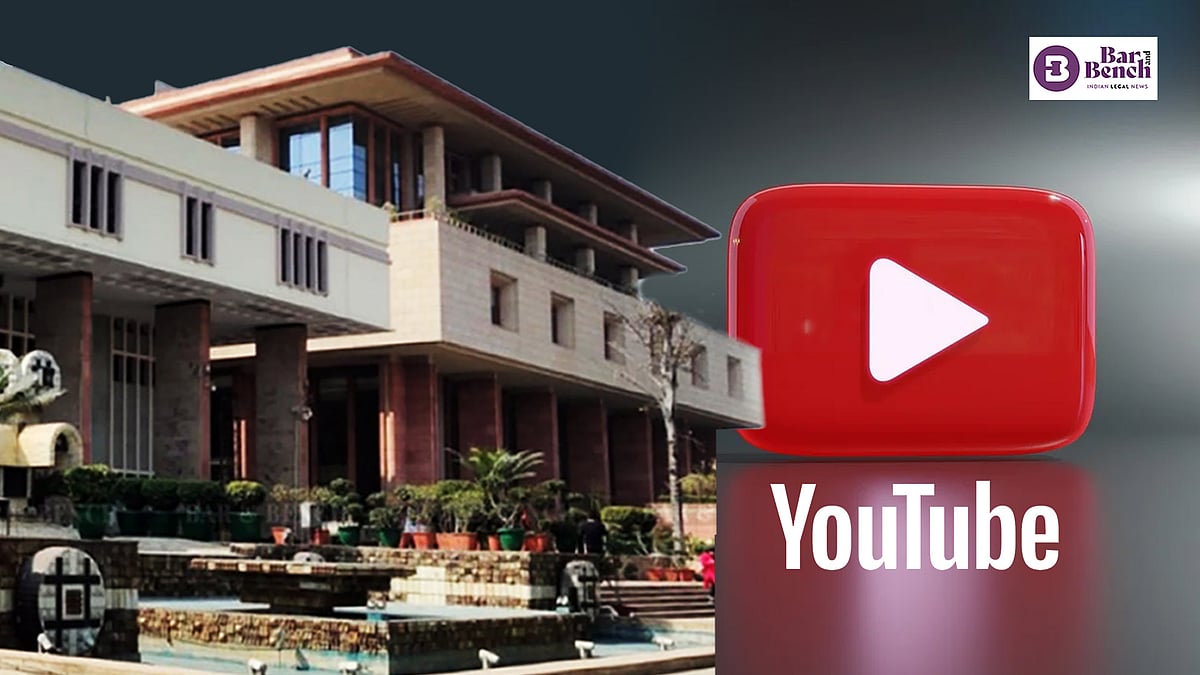
Google has informed the Delhi High Court that it cannot proactively prevent unauthorized uploads of court recordings to YouTube. The tech giant emphasized the impracticality of enforcing such measures legally.

The integration of smart technology in everyday accessories raises critical legal questions about privacy and regulation. As tech giants like Meta and Oakley embrace smart glasses, the implications for legal practitioners become increasingly significant.
The Delhi High Court upheld the temporary nationwide blockade of the Telegram platform, linking it to copyright enforcement jurisprudence. This ruling introduces a new concept of architectural liability, reshaping intermediary regulation within public law contexts.

The Gujarat High Court ruled that clicking and sharing photographs of an exam paper via WhatsApp does not breach privacy under the IT Act. This decision highlights the court's interpretation of privacy in digital communication.