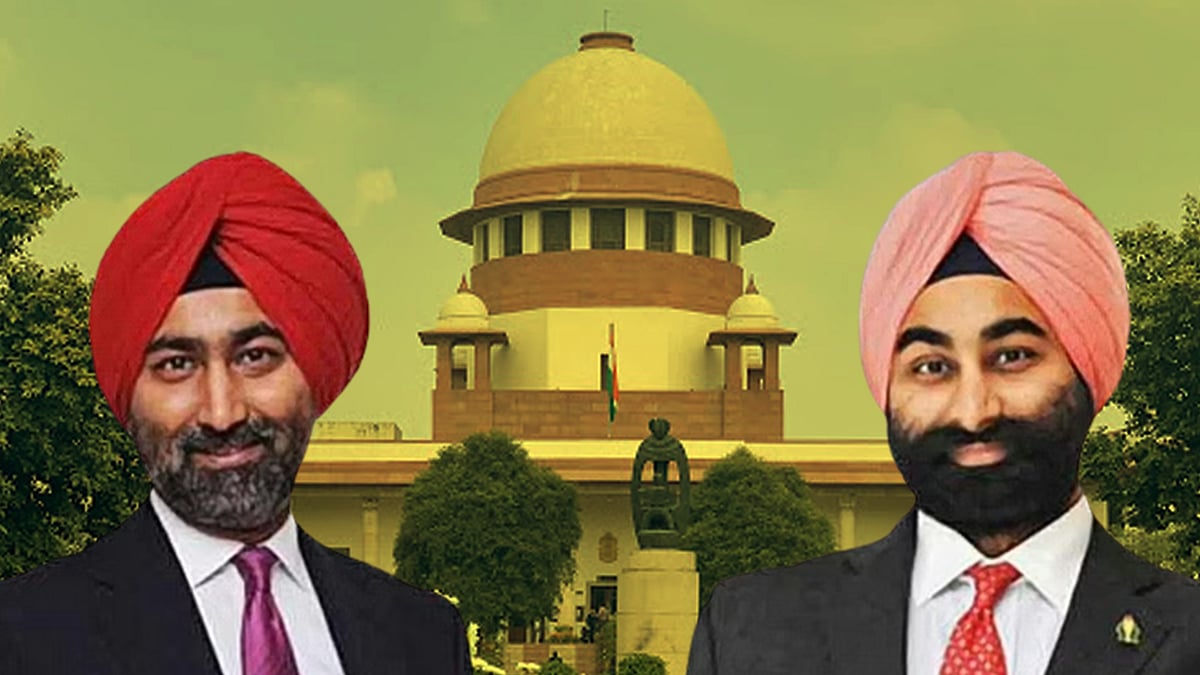
In the Subhash Chandra insolvency matter, the NCLT ruled that a repayment plan can bind dissenting creditors, excluding claims filed for 1,260 individuals. This clarification may impact how creditors' rights are managed in insolvency proceedings.
NCLT Says Repayment Plan Can Bind Dissenting Creditors in Subhash Chandra Insolvency Case
The National Company Law Tribunal (NCLT) has favored the approval of a repayment plan in the insolvency case of Subhash Chandra, indicating that such a plan may bind dissenting creditors. This decision notably excludes claims from 1,260 individuals who had filed against the firm.
The tribunal emphasized the need to balance the rights and interests of creditors while enabling viable restructuring plans. By allowing the repayment plan to bind dissenting creditors, the NCLT reinforces the principle of collective creditor action, advocating for a cohesive approach to insolvency recoveries.
This ruling is significant for insolvency practitioners as it delineates the boundaries of creditor rights and the importance of planning in insolvency scenarios, ensuring that dissenting opinions do not stifle potential recovery pathways.
Citations
- NCLT (2026) 1 NCLT 401